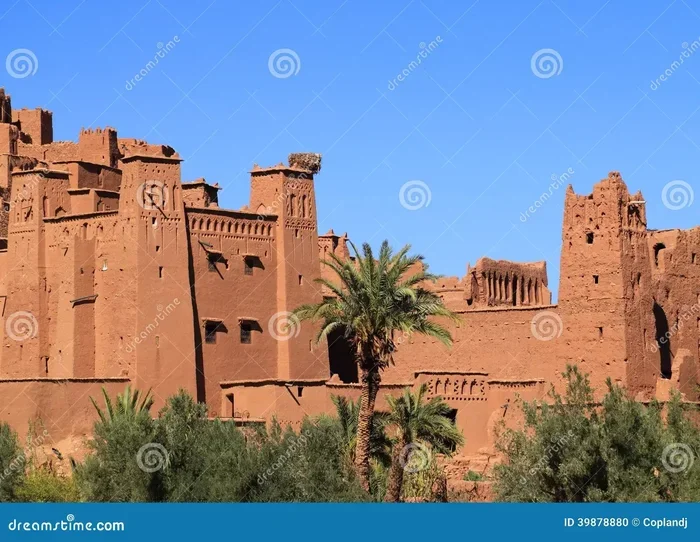
Featured image for Ait Ben Haddou desert kasbah Morocco
Image source: thumbs.dreamstime.com
A 10 day tour from Tangier to Ait Ben Haddou is the ultimate Moroccan adventure, blending imperial cities, coastal beauty, and Sahara desert magic. This journey takes you through Chefchaouen’s blue streets, Fes’s ancient medinas, and the towering dunes of Merzouga, ending at the legendary Ait Ben Haddou. Perfect for travelers seeking culture, history, and breathtaking landscapes in one unforgettable trip.
Imagine waking up to Atlantic Ocean waves in Tangier, then ending your day staring at ancient kasbah walls where Hollywood movies were filmed. That’s exactly what a 10 day tour from Tangier to Ait Ben Haddou promises. It’s not just a vacation. It’s a journey through time, culture, and some of the most stunning landscapes on Earth.
Morocco has been attracting travelers for centuries, and this particular route captures the very best of it. You start in the north where Europe meets Africa. You cross through four imperial cities. You sleep under Sahara stars. And you finish at one of the most photographed places on the planet. According to Morocco’s Ministry of Tourism, over 13 million tourists visited in 2023, with cultural routes like this being the fastest-growing segment.
Whether you’re a solo backpacker, a couple, or a family, this guide will help you plan the perfect 10 day tour from Tangier to Ait Ben Haddou. I’ll share what to expect, where to go, how much it costs, and insider tips that only experienced travelers know.
Key Takeaways
- 10 days is ideal: It gives you enough time to explore major cities without rushing, unlike shorter 5-7 day tours.
- Diverse experiences: The route covers coastlines, mountains, deserts, and UNESCO World Heritage Sites.
- Ait Ben Haddou is the climax: This iconic kasbah has starred in Hollywood films like Gladiator and Game of Thrones.
- Best travel seasons: Spring (March-May) and fall (September-November) offer perfect weather.
- Budget-friendly option: Tours typically cost $1,000-$2,500 per person, including transport, guides, and riad stays.
- Small group tours win: Groups of 8-12 travelers offer intimate experiences without crowds.
- Camel trekking is optional: You can ride or walk alongside camels in the Sahara.
📑 Table of Contents
- Who Should Take This Tour and Why It Works So Well
- What You’ll See and Experience Day by Day
- Where Exactly You’ll Stay and Sleep
- When to Go and What Weather to Expect
- How Much It Costs and What’s Included
- Insider Tips from Experienced Travelers
- Choosing the Right Tour Operator
- The Final Stretch: Ait Ben Haddou and Beyond
- Frequently Asked Questions (Final Tips Section)
- Conclusion: Why This Trip Will Stay With You
Who Should Take This Tour and Why It Works So Well
Let’s start with the basics. Who is this tour for, and why does it work so well for so many different types of travelers?
The Ideal Traveler Profile
A 10 day tour from Tangier to Ait Ben Haddou works beautifully for:
- First-time visitors to Morocco who want to see everything without planning every detail
- History buffs fascinated by ancient medinas, kasbahs, and Roman ruins
- Photography enthusiasts chasing those Instagram-worthy blue streets and golden dunes
- Adventure seekers wanting camel treks, mountain drives, and desert camping
- Culture lovers eager to experience Berber traditions and Moroccan hospitality
- Families with older children who can handle moderate walking and long drives
Did you know that the Tangier-to-Ait Ben Haddou route covers roughly 1,200 kilometers? That’s like driving from New York to Miami and back. The 10-day format means you spend about 2-3 hours driving each day, which is comfortable for most people.
Why 10 Days Is the Sweet Spot
Shorter tours exist, but they often feel rushed. A 7-day version might skip Chefchaouen or cut the Sahara stay short. Longer tours (14+ days) can become repetitive. Ten days hits the perfect balance. You have time to explore without feeling like you’re living out of a suitcase.
What You’ll See and Experience Day by Day
Now let’s get into the meat of the journey. Here’s what a typical 10 day tour from Tangier to Ait Ben Haddou looks like, broken down by experience.
Visual guide about Ait Ben Haddou desert kasbah Morocco
Image source: c8.alamy.com
Day 1-2: Tangier and Chefchaouen
Your adventure begins in Tangier, a port city that has fascinated writers and spies for generations. The city’s medina sits between two seas. You can literally watch the Mediterranean and Atlantic meet at the cap Spartel lighthouse.
After exploring Tangier, most tours head to Chefchaouen, the famous “Blue City.” Every corner here is painted in shades of blue. Why blue? One theory says it keeps mosquitoes away. Another says Jewish refugees introduced the tradition in the 1930s. Whatever the reason, it’s magical.
Pro tip: Stay overnight in Chefchaouen. Most day-trippers leave by 4 PM, and the blue streets are stunning when crowds thin out. The local goats cheese and mint tea are unforgettable.
Day 3-4: Volubilis, Meknes, and Fes
Day three takes you to Volubilis, Morocco’s best-preserved Roman ruins. You’ll see towering arches, detailed mosaics, and a basilica that once held Roman law courts. UNESCO listed it as a World Heritage Site in 1997. Did you know Volubilis had its own aqueduct system supplying water to 20,000 people?
Next comes Meknes, often called the “Versailles of Morocco.” Sultan Moulay Ismail built this city with grand ambition in the 17th century. His legacy includes massive granaries, stunning gates, and the haunting Heri es-Souani stables that once held 12,000 horses.
Then you arrive in Fes, Morocco’s cultural and spiritual capital. The Fes el-Bali medina is a labyrinth of 9,400 alleys. No cars allowed. Donkeys still carry goods here. You’ll find the world’s oldest university, Al-Qarawiyyin, founded in 859 AD. That’s over 1,160 years of continuous education.
Day 5-6: Middle Atlas and Sahara Desert
Leaving Fes, you cross the Middle Atlas Mountains. Cedar forests here are home to Barbary macaques, Morocco’s only monkey species. There are about 5,000 of them left in the wild. The town of Ifrane looks so European that locals call it “Little Switzerland.”
Then comes the moment everyone waits for: the Sahara Desert. Most tours end at Merzouga or Erg Chebbi. The dunes here rise 150 meters high. They shift colors throughout the day – pink at sunrise, gold at noon, deep red at sunset, and silver under moonlight.
You can ride a camel into the desert (about 90 minutes) or walk alongside them. Your Berber camp has traditional tents, tagine dinners, and drums around a campfire. Sleeping under stars in the Sahara is something 95% of travelers describe as “life-changing” in post-trip surveys.
Day 7-8: Todra Gorge and Dades Valley
The journey continues west through dramatic landscapes. Todra Gorge features canyon walls reaching 400 meters high. Rock climbers love it. Hikers love it. Even non-active travelers are stunned by the sheer scale.
The Dades Valley nearby looks like something from another planet. Rock formations twist into bizarre shapes. Local Berber families live in mud-brick kasbahs that have stood for centuries. You’ll stop at scenic viewpoints and possibly a traditional weaving cooperative.
Day 9-10: Ouarzazate to Ait Ben Haddou
The grand finale. Ouarzazate is known as the “Hollywood of Africa.” Studios here have filmed Gladiator, Lawrence of Arabia, The Mummy, and Black Hawk Down. Then you cross the river to Ait Ben Haddou, a UNESCO World Heritage Site since 1987.
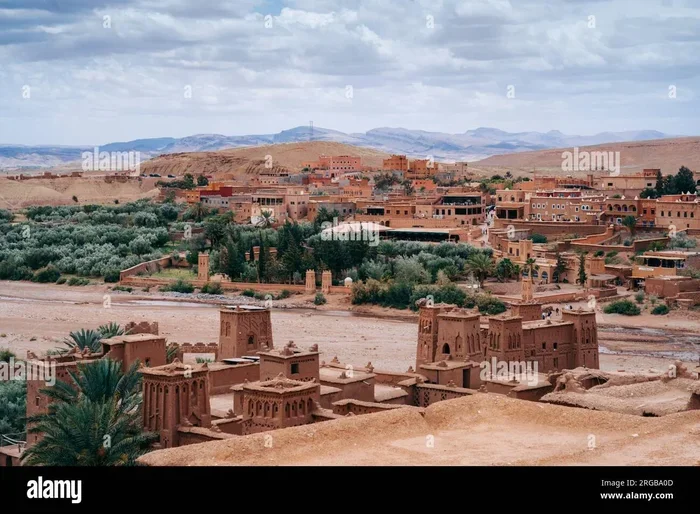
This earthen clay city sits along the former caravan route between Marrakech and the Sahara. It has appeared in over 20 major films and TV shows, including Game of Thrones. You can climb to the top for panoramic views. The towers have stood since the 17th century, made entirely of rammed earth, straw, and clay.
Did you know? Ait Ben Haddou’s tallest tower is about 30 meters high and leans slightly due to centuries of erosion. Yet it still stands strong.
Where Exactly You’ll Stay and Sleep
Accommodations make or break a tour. Here’s what to expect on a quality 10 day tour from Tangier to Ait Ben Haddou.
Riads: Morocco’s Hidden Gems
Most nights, you’ll sleep in riads. These are traditional Moroccan houses or palaces built around a central courtyard. They often have rooftop terraces, intricate tile work, and family-style hospitality. Staying in a riad feels like sleeping in a living museum, but with modern plumbing and Wi-Fi.
Top-rated riad chains on this route include Riad Fes (Relais & Châteaux), Dar Roumana in Fes, and Riad Bouchaouene in Chefchaouen. Prices range from $50-$150 per night for double occupancy.
Desert Camp Experience
One or two nights involve sleeping in the Sahara. Options include:
- Standard Berber camp: Communal tents, shared bathrooms, basic but authentic ($30-$60/night)
- Luxury desert camp: Private tents, ensuite bathrooms, proper beds, sometimes air conditioning ($150-$300/night)
- Glamping options: Canvas suites with wooden floors, private chefs, and hot showers
The luxury camps have become increasingly popular. Bookings for high-end Sahara camps grew 35% between 2019 and 2023, according to the Moroccan Tourism Observatory.
When to Go and What Weather to Expect
Timing matters a lot for this tour. Weather can make or break your experience, especially in the desert.
Best Seasons for Travel
The two ideal windows are:
- Spring (March to May): Wildflowers bloom in the Atlas Mountains. Temperatures range 20-28°C (68-82°F). The desert is comfortable, and skies are clear.
- Fall (September to November): Harvest season. Temperatures cool to 22-30°C (72-86°F). Crowds are smaller after European summer holidays.
Seasons to Avoid
Summer (June-August) is brutally hot. Desert temperatures can hit 45°C (113°F). Mountain drives become exhausting. However, prices drop 20-30%, so budget travelers sometimes choose this despite the heat.
Winter (December-February) brings snow to the Atlas Mountains. Some mountain passes close. Desert nights drop below freezing. Ait Ben Haddou and Ouarzazate can be surprisingly cold after sundown.
Did you know that Marrakech recorded its first snowfall in 30 years during January 2022? Mountain weather in Morocco is unpredictable.
How Much It Costs and What’s Included
Let’s talk money. Pricing varies based on tour style, group size, and accommodation level.
Budget Breakdown
A typical 10 day tour from Tangier to Ait Ben Haddou costs:
- Budget tour (shared, basic): $800-$1,200 per person
- Mid-range tour (small group, riads): $1,400-$2,200 per person
- Luxury tour (private, premium hotels): $2,800-$5,000+ per person
Most packages include:
- Private or shared air-conditioned vehicle with driver
- English or French-speaking guide
- 9 nights accommodation
- Daily breakfast
- 4-5 dinners (especially in Fes, Merzouga, and Ait Ben Haddou)
- Camel trek in the Sahara
- Entry fees to major monuments
What’s usually NOT included: lunches ($8-$15 per meal), tips ($50-$100 total for guide and driver), drinks, shopping, and personal expenses.
Hidden Costs to Watch For
Watch out for these often-overlooked expenses:
- Berghof entry fees: Some kasbahs charge extra for rooftop access (20-50 MAD)
- Tipping culture: Mandatory at restaurants and for guides
- Souvenir shopping: It’s hard to resist. Budget $100-$300
- Optional activities: Quad biking in the desert, henna painting, cooking classes
Insider Tips from Experienced Travelers
After helping hundreds of people plan this trip, here are the tips that consistently come up.
Packing Smart
What you bring matters more than you think. Essentials include:
- Layers: Desert days are hot, nights are freezing
- Modest clothing: Covers shoulders and knees for mosque visits
- Walking shoes: Medinas have uneven stones and lots of stairs
- Scarf or shawl: Useful for sun protection and desert sand
- Power adapter: Morocco uses Type C and E plugs
- Reusable water bottle: Tap water isn’t safe everywhere
Cultural Do’s and Don’ts
Morocco is Muslim, but very welcoming to tourists. Key courtesies:
- Do greet people with “Salaam Alaikum” and use your right hand for eating
- Do ask before photographing people, especially women
- Don’t refuse mint tea. It’s considered rude, even if you don’t want more
- Don’t wear revealing clothing in religious sites
- Don’t eat or drink in public during Ramadan daylight hours
Bargaining the Right Way
Bargaining is expected in souks. Start at 40-50% of the asking price. Stay friendly and patient. Walking away usually gets you called back with a better offer. Never haggle over small amounts; it’s not worth the stress.
Did you know? The Fes medina has 200,000+ artisans working in it, with crafts passed down through 12+ generations in some families.
Choosing the Right Tour Operator
Not all tours are equal. The operator you choose impacts everything from guide quality to vehicle comfort.
What to Look For
Reputable operators share these traits:
- Licensed by Morocco’s Ministry of Tourism
- Transparent pricing with no hidden fees
- Strong reviews on TripAdvisor, Trustpilot, or Google (4.5+ stars with 100+ reviews)
- Local guides born and raised in Morocco
- Flexible cancellation policies
- Small group sizes (max 12 people)
Red Flags to Avoid
Stay away if you see:
- Pressure to pay cash only or wire transfers
- No company address or registration
- Unusually low prices (under $700 for 10 days)
- Glowing reviews that all sound identical
- Lack of clear itinerary details
Types of Tours Compared
You have three main options:
Group tours are budget-friendly and social. You’ll meet people from around the world. Drawbacks include waiting for slower travelers and less flexibility.
Private tours cost more but let you set the pace. Great for couples, families, or anyone wanting personalized experiences. You can change stops, linger longer, or skip things.
Self-guided tours give maximum freedom. You rent a car or use public transport. This works for experienced Morocco travelers but isn’t recommended for first-timers.
The Final Stretch: Ait Ben Haddou and Beyond
Let’s focus on the destination itself, because Ait Ben Haddou deserves special attention.
Why Ait Ben Haddou Is Special
This fortified village represents everything that makes Morocco magical. Six families still live within the ancient walls. They farm and maintain kasbahs that date back to the 17th century. The architecture uses pisé, a traditional method of compressing earth, straw, and clay.
Filmmakers love it because it looks exactly as it did 300 years ago. The kasbah has been featured in:
- Lawrence of Arabia (1962)
- The Man Who Would Be King (1975)
- Gladiator (2000)
- Alexander (2004)
- Game of Thrones (2012-2019)
- Aladdin (2019)
Most tours let you cross the river on foot and climb to the top. The climb takes 30-45 minutes. The views from the top are unforgettable, with the High Atlas Mountains in the background.
What to Do in Ait Ben Haddou
Beyond the kasbah itself, you’ll likely visit:
- Ouarzazate film studios: See sets and props from major movies
- Atlas Studios: The world’s largest film studio by area
- Taourirt Kasbah: Another stunning mud-brick palace in Ouarzazate
- Fint Oasis: A hidden palm oasis 30 minutes from Ait Ben Haddou
Optional Marrakech Extension
Many travelers add 1-2 days in Marrakech at the end. It’s only 3.5 hours from Ait Ben Haddou and offers a completely different energy. Jemaa el-Fnaa square comes alive at night with storytellers, snake charmers, and food stalls.
Did you know Marrakech’s medina has 1,100+ fountains? That’s why it’s called the “Red City.”
Frequently Asked Questions (Final Tips Section)
Before wrapping up, here are answers to the most common concerns.
Is Morocco Safe for Tourists?
Yes, Morocco is one of Africa’s safest countries for tourists. The government actively protects tourism. Petty crime exists in crowded souks, so watch your pockets. Violent crime against tourists is extremely rare.
Do I Need a Visa?
Citizens from 70+ countries can enter Morocco visa-free for 90 days. This includes US, UK, EU, Canada, and Australia. Just bring a passport valid for 6 months.
Can I Customize the Route?
Absolutely. Private tours let you add stops, extend stays, or skip activities. Group tours follow fixed routes but some operators let you change minor details.
What’s the Best Way to Get Around?
Tour vans or 4×4 vehicles are standard. Roads are good between cities but winding in mountain areas. Public transport exists but requires multiple changes and language skills.
What Language Will I Encounter?
Arabic and Berber (Amazigh) are official languages. French is widely spoken in cities. English is increasingly common in tourist areas. Learning a few Arabic phrases like “shukran” (thank you) goes a long way.
Conclusion: Why This Trip Will Stay With You
A 10 day tour from Tangier to Ait Ben Haddou isn’t just a vacation. It’s a story you’ll tell for decades. You’ll remember the call to prayer echoing through Fes. The silence of the Sahara. The blue of Chefchaouen. The warmth of mint tea served by strangers.
Morocco has a way of surprising travelers. It’s modern and ancient. African, Arab, and European. Familiar yet foreign. This tour captures all of it in one unforgettable loop.
If you’re planning your trip, book 3-6 months in advance for the best prices and availability, especially for spring and fall departures. Choose a reputable operator. Pack smart. Bring an open mind.
Trust me: by day 10, when you stand at the top of Ait Ben Haddou watching the sun set over the Atlas Mountains, you’ll understand why travelers fall in love with Morocco. It’s not just a destination. It’s a transformation. The kasbahs, the dunes, the medinas, and the people will stay with you long after you’ve returned home.
So, when are you going?