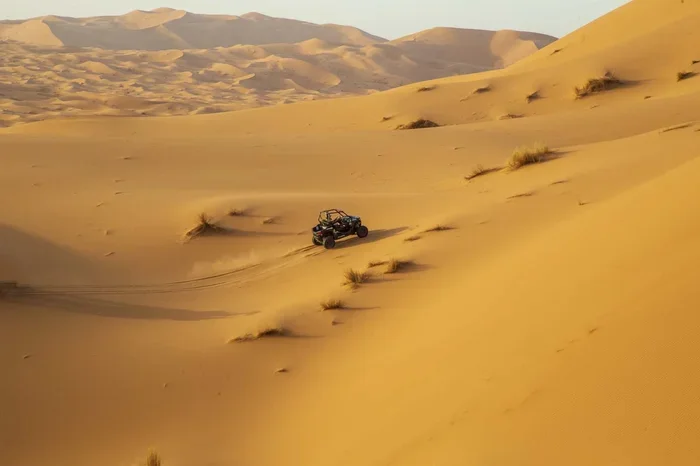
Featured image for Morocco Tangier Fez desert tour
Image source: moroccoeverywheretours.com
An excursion de 8 dias desde Tanger a Fez is the ultimate Moroccan adventure, taking travelers through four imperial cities, the Atlas Mountains, and the majestic Sahara Desert. This 8-day tour covers over 1,200 kilometers of Morocco’s most iconic landscapes and cultural treasures. Perfect for first-time visitors, this journey combines ancient medinas, Berber villages, camel treks, and unforgettable desert sunsets into one comprehensive Moroccan experience.
Picture this: you’re standing at the edge of the Sahara Desert, watching the sun melt into golden sand dunes that stretch farther than your eyes can see. Just eight days ago, you started your journey in the bustling port city of Tangier, where the Mediterranean meets the Atlantic. Now, you’re about to sleep under a blanket of stars in a traditional Berber camp. This is the magic of an 8-day excursion from Tangier to Fez.
Morocco is a country that feels like several worlds squeezed into one beautiful package. You have coastal cities with European flair, ancient medinas that haven’t changed in centuries, snow-capped mountains, and of course, the legendary Sahara Desert. An 8-day tour gives you enough time to experience all of this without feeling rushed. It’s like watching a movie that takes you through different chapters of wonder, each one more captivating than the last.
Whether you’re a solo traveler, a couple on a romantic getaway, or a family looking for adventure, this route has something special for everyone. The journey from Tangier to Fez isn’t just about reaching a destination. It’s about the experiences, the people you meet, the food you taste, and the memories that will last a lifetime. Let me walk you through everything you need to know about this incredible Moroccan adventure.
Key Takeaways
- Comprehensive Route: An 8-day excursion from Tangier to Fez covers Morocco’s four imperial cities plus the Sahara Desert in one journey.
- Distance Covered: Travelers will journey approximately 1,200-1,400 kilometers, experiencing diverse landscapes from coast to desert.
- Best Travel Season: March-May and September-November offer the most comfortable weather for this multi-day tour.
- Cultural Immersion: The itinerary includes UNESCO World Heritage Sites, traditional Berber villages, and authentic Moroccan cuisine experiences.
- Sahara Highlight: A camel trek into the Erg Chebbi dunes and overnight stay in a desert camp is typically the tour’s most memorable moment.
- Budget Range: Prices vary from €400-€1,200 per person depending on accommodation levels and tour inclusions.
- Physical Requirements: Moderate fitness is needed, though the tour is suitable for most travelers aged 12-70.
📑 Table of Contents
- What Makes an 8-Day Tangier to Fez Excursion Special?
- Detailed Day-by-Day Itinerary Breakdown
- Essential Practical Information for Your Excursion
- Choosing the Right Tour Operator
- What to Expect: Cultural Insights and Travel Tips
- Safety, Health, and Common Concerns
- Making the Most of Your Moroccan Adventure
What Makes an 8-Day Tangier to Fez Excursion Special?
Think of this excursion like a greatest hits album of Morocco. Instead of picking just one or two places, you get to experience the country’s most iconic destinations in a single trip. The route typically includes Tangier, Chefchaouen, Fez, Merzouga (Sahara Desert), the Atlas Mountains, and several other fascinating stops along the way.
The Perfect Duration for Morocco
Why eight days specifically? Well, it’s the sweet spot. Any shorter and you’d miss too much. Any longer and you might start experiencing what travelers call “medina fatigue” – a real thing where ancient alleyways start to look the same after a while. Eight days lets you explore deeply without burning out.
Did you know that Morocco receives over 13 million tourists annually, and multi-day tours from Tangier to Fez are among the most popular itineraries? The route essentially traces the path of ancient caravans that traveled between sub-Saharan Africa and the Mediterranean for centuries. You’re literally walking in the footsteps of merchants, explorers, and pilgrims from a thousand years ago.
Four Imperial Cities in One Trip
Morocco has four “imperial cities” – cities that served as the capital at some point in history. On this excursion, you can potentially visit three of them: Fez, Meknes, and Rabat (with Tangier often considered an unofficial addition to the list). Each city has its own personality, architecture, and historical significance.
Detailed Day-by-Day Itinerary Breakdown
Let me paint you a picture of what your eight days will actually look like. While exact itineraries vary by tour operator, here’s a typical structure that gives you the best of everything.
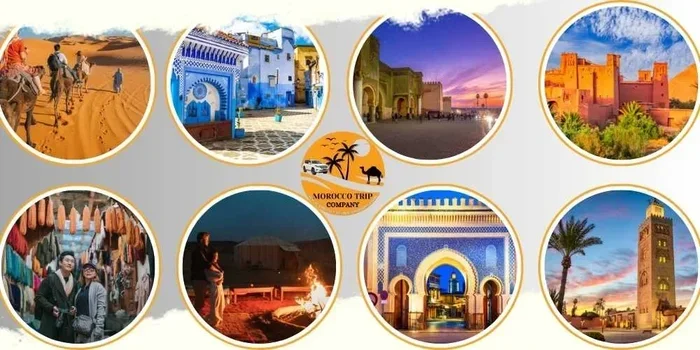
Visual guide about Morocco Tangier Fez desert tour
Image source: moroccotripcompany.com
Day 1-2: Tangier and Chefchaouen (The Blue Pearl)
Your adventure begins in Tangier, a city that’s been a gateway between Africa and Europe for over 2,500 years. The city has a fascinating history – it was administered by multiple countries including Spain, France, and Britain at various points. Today, it’s a vibrant blend of cultures.
After exploring Tangier’s medina and maybe visiting the famous Caves of Hercules, you’ll head to Chefchaouen. This is the town that Instagram made famous – all those blue buildings you see in photos? They’re real, and they’re even more stunning in person. The town sits in the Rif Mountains and has a relaxed, almost spiritual atmosphere.
Did You Know? Chefchaouen was painted blue by Jewish refugees in the 1930s. The blue color symbolizes the sky and heaven, and it also helps keep mosquitoes away. Today, the tradition continues, and new buildings must follow the blue color code.
You’ll spend at least one full day here, wandering the blue-washed streets, visiting the Spanish Mosque for panoramic views, and experiencing the slower pace of mountain life. The food in Chefchaouen is exceptional too – try the local goat cheese, which is some of the best in Morocco.
Day 3-4: Volubilis, Meknes, and Fez
Day three takes you into the heart of Morocco’s Roman and imperial past. Your first stop is usually Volubilis, a UNESCO World Heritage Site containing some of the best-preserved Roman ruins in North Africa. Imagine standing in a 2,000-year-old villa, looking at mosaics that have survived earthquakes, invasions, and time itself.
The city was founded in the 3rd century BCE and became the capital of the kingdom of Mauretania. It was one of the southernmost outposts of the Roman Empire. You can still see the original columns, triumphal arch, and intricate floor mosaics. It’s like walking through an open-air museum where history feels alive.
Next, you’ll visit Meknes, often called the “Versailles of Morocco” because of its grand gates and imperial architecture. The city was built by Sultan Moulay Ismail in the 17th century, who wanted to create his own version of a French palace city. The result is impressive – massive walls, intricate gates, and underground stables that once housed 12,000 horses.
By day four, you’ll arrive in Fez, the cultural and spiritual heart of Morocco. This is where your journey ends, but it’s also where some of the most memorable experiences await. Fez el-Bali (the old medina) is a UNESCO World Heritage Site and one of the largest car-free urban areas in the world. With over 9,000 alleyways, you literally cannot navigate it without a guide.
Day 5-6: The Journey to the Sahara Desert
This is where the excursion transforms from a cultural tour into a true adventure. The route from Fez to Merzouga (the Sahara gateway) takes you through the Middle Atlas Mountains, past the famous cedar forests of Ifrane (often called “Little Switzerland of Morocco”), and through the stunning Ziz Valley.
Ifrane is surreal – it looks more like a European alpine town than a Moroccan city. The clean streets, red-roofed houses, and flower beds feel almost out of place in North Africa. It was built by the French in the 1930s as a hill station, and today it’s a popular getaway for wealthy Moroccans.
Did You Know? Ifrane is home to the only ski resort in Africa, and temperatures can drop to -15°C in winter. The town sits at 1,665 meters above sea level, making it one of the highest cities in Morocco.
As you continue south, the landscape changes dramatically. The green mountains give way to semi-arid plains, then to desert. By the time you reach Merzouga, you’re at the edge of Erg Chebbi, where some dunes reach 150 meters high. The sunset here is something that photos simply cannot capture – the sand turns red, then orange, then purple as the sun dips below the horizon.
Day 7: Desert Experience and Return North
Your desert day starts early with a camel trek into the dunes. Yes, it’s touristy. Yes, it’s also absolutely magical. There’s something about riding a camel through sand dunes at sunrise that makes you feel like you’ve stepped back in time a thousand years. The silence of the desert, broken only by the sound of camel hooves and wind, is something you won’t forget.
Most tours include an overnight stay in a Berber desert camp. These range from basic (shared bathrooms, simple tents) to luxury (private tents with ensuite bathrooms and proper beds). Either way, sleeping under the stars in the Sahara is an experience that belongs on everyone’s bucket list.
Did You Know? The Sahara Desert covers an area larger than the continental United States. However, it’s been shrinking and expanding for thousands of years. About 5,000 years ago, the Sahara was actually green and supported large populations of humans and animals.
After your desert night, you’ll start the journey back north, typically stopping in Midelt (known for its apples), the Cedar Forest (where you can see Barbary macaque monkeys), and possibly Ifrane again.
Day 8: Return to Fez
Your final day involves traveling back to Fez, where the excursion concludes. This gives you time to reflect on everything you’ve experienced and maybe visit a few more sites in Fez if you have energy left.
Essential Practical Information for Your Excursion
Now that you know what to expect, let’s talk about the practical stuff that will make your trip smoother and more enjoyable.
Best Time to Book Your 8-Day Tour
The timing of your trip can make or break the experience. Morocco’s climate varies dramatically by region, and you’ll be experiencing everything from coastal cities to desert. The sweet spots are spring (March to May) and autumn (September to November).
Summer (June to August) can be brutally hot, especially in the desert where temperatures regularly exceed 45°C (113°F). Winter (December to February) brings cold nights in the desert, sometimes dropping below freezing, though daytime temperatures are pleasant. The shoulder seasons give you warm days, cool nights, and the best chances of clear skies for those desert sunsets.
What to Pack for the Journey
Packing for an 8-day tour that covers multiple climates requires some thought. Here’s a practical list:
- Clothing: Layers are your friend. Pack light cotton clothes for daytime, a warm jacket for desert nights, and modest clothing for religious sites (covered shoulders and knees).
- Footwear: Comfortable walking shoes for medinas, sandals for the desert, and warm socks for cold nights.
- Sun Protection: Sunglasses, sunscreen (SPF 30+), and a hat or scarf to protect from sun and sand.
- Health Kit: Hand sanitizer, wet wipes, basic medications, and any personal prescriptions.
- Tech Gear: Camera (you’ll need it), power bank, universal adapter (Morocco uses Type C and E plugs).
- Daypack: For carrying water, snacks, and essentials during day trips.
Budget Considerations and Price Ranges
The cost of an 8-day excursion from Tangier to Fez varies significantly based on several factors. Budget tours start around €400-600 per person, mid-range tours cost €700-900, and luxury options can exceed €1,200 per person.
What’s typically included:
- Transportation in air-conditioned vehicle
- Driver/guide services
- Accommodation (7 nights)
- Daily breakfast
- Some dinners (especially in the desert)
- Camel trek in the Sahara
- Hotel pick-up and drop-off
What’s usually not included:
- Lunch and most dinners
- Entry fees to monuments and attractions
- Drinks and snacks
- Tips for drivers and guides
- Personal shopping and souvenirs
Here’s an analogy: think of the tour price like buying a car. The base model gets you from A to B safely. The mid-range model adds comfort features. The luxury model gives you the full premium experience. The choice depends on your priorities and budget.
Choosing the Right Tour Operator
Not all tour operators are created equal, and this decision can significantly impact your experience. Let me share some insider tips on making the right choice.
What to Look for in a Reputable Company
Start by checking reviews on platforms like TripAdvisor, GetYourGuide, and Viator. Look for operators with consistent 4.5+ ratings and read the negative reviews too – they often reveal more than the positive ones. Pay attention to comments about vehicle quality, guide knowledge, and how the company handles problems.
Legitimate operators should provide:
- Clear written itineraries
- Transparent pricing with no hidden fees
- Licensed and insured vehicles
- Knowledgeable, English-speaking guides
- Proper business registration and contact information
Group vs. Private Tours
Group tours (typically 12-18 people) are more affordable and offer social opportunities. They’re great for solo travelers and those on a budget. However, you have less flexibility on timing and stops.
Private tours cost more but offer complete flexibility. You can stop wherever you want, spend extra time at places you love, and skip things that don’t interest you. They’re ideal for families, couples, or anyone who values flexibility over savings.
A practical example: On a group tour, you might have 20 minutes at a scenic viewpoint. On a private tour, you could spend an hour watching the sunset and taking photos. Both have their merits, but the experiences feel quite different.
Red Flags to Avoid
Be cautious of operators who:
- Demand full payment upfront via wire transfer
- Have no physical office or verifiable address
- Offer prices that seem too good to be true
- Pressure you into booking immediately
- Have inconsistent communication or evasive answers to questions
What to Expect: Cultural Insights and Travel Tips
Understanding Moroccan culture will enhance your experience tremendously. Here are some insights that will help you connect with the country and its people.
Understanding Moroccan Culture
Morocco is a Muslim country, and Islamic traditions shape daily life. However, it’s also surprisingly liberal and welcoming to tourists. During Ramadan (which moves each year on the Gregorian calendar), be respectful by avoiding eating, drinking, or smoking in public during daylight hours.
The concept of hospitality is deeply ingrained in Moroccan culture. If someone invites you for tea (and they will), accept it. Mint tea is the national drink, and refusing it can be considered rude. The tea ceremony itself is a ritual – the host pours from a height to create foam, and there are specific ways to hold the glass and drink.
Navigating the Medinas
Moroccan medinas are labyrinths by design. Historically, this confused invaders. Today, it confuses tourists, but in a charming way. Here are some practical tips:
- Always hire official guides in Fez and Marrakech (look for the official badge)
- Download offline maps before you go
- Have your accommodation’s address written in Arabic
- Agree on guide prices before starting the tour
- Don’t be afraid to ask shopkeepers for directions – most are happy to help
Think of the medina like a maze in a video game. You might get lost, but the journey through it is half the fun. Every corner reveals something new – a hidden courtyard, a craftsman at work, a cat sleeping in a sunny spot.
Food Experiences You Shouldn’t Miss
Moroccan cuisine is one of the most distinctive in the world, influenced by Berber, Arab, French, and Spanish traditions. During your 8-day tour, you’ll have countless opportunities to try local specialties.
Must-try dishes include tagine (slow-cooked stew named after the clay pot it’s cooked in), couscous (typically served on Fridays), pastilla (a sweet and savory pie), and harira (a hearty soup). Street food is generally safe and delicious – try msemen (flatbread) and sfenj (Moroccan donuts) for breakfast.
Did You Know? A traditional Moroccan meal can take up to 4 hours to prepare. Couscous is steamed three times, and tagines cook slowly over low heat. This patience in cooking reflects a broader cultural value of taking time to enjoy life.
Safety, Health, and Common Concerns
Let me address some common worries that travelers have about Morocco, and put your mind at ease.
Is Morocco Safe for Tourists?
Morocco is one of the safest countries in Africa for tourists. The government has invested heavily in tourism security, and violent crime against tourists is extremely rare. The most common issues are minor scams, overcharging, and pickpocketing in crowded areas – problems you can encounter in any major tourist destination worldwide.
Normal precautions apply: keep your valuables secure, be aware of your surroundings in crowded places, and trust your instincts. Most Moroccans you’ll meet are genuinely friendly and helpful, eager to share their culture with visitors.
Health Considerations
No special vaccinations are required for Morocco, though some travelers choose to get hepatitis A and typhoid vaccines. Tap water is not recommended for drinking – stick to bottled water, which is widely available and inexpensive.
Stomach issues are common in the first few days as your body adjusts to new food and water. Pack some anti-diarrheal medication just in case. The local pharmacies are well-stocked and pharmacists can help with minor ailments.
Here’s a helpful analogy: traveling in Morocco is like going to a new restaurant with an exciting menu. Your stomach might need a day to adjust, but once it does, you’re in for a treat. Start with mild foods and gradually explore the more adventurous options.
Communication and Language
Arabic and Berber are the official languages, but French is widely spoken in business and tourism. English is increasingly common, especially in tourist areas. Learning a few basic Arabic phrases goes a long way:
- Hello: As-salaam alaikum (response: Wa alaikum as-salaam)
- Thank you: Shukran
- Please: Min fadlak (to a man) / Min fadlik (to a woman)
- Yes/No: Na’am / La
Making the Most of Your Moroccan Adventure
To wrap up, let me share some final tips that will take your trip from good to unforgettable.
Photography Tips
Morocco is incredibly photogenic, but there are some etiquette considerations. Always ask permission before photographing people, especially women. In return, some people will expect a small tip. The best lighting is during golden hour (shortly after sunrise and before sunset), which conveniently matches the schedule of most desert tours.
Shopping and Souvenirs
Morocco is a shopper’s paradise, with everything from leather goods to spices, ceramics, and textiles. The key to good shopping is bargaining – the first price is never the final price. Start at about 50% of the asking price and negotiate from there. The process is part of the cultural experience, so enjoy it rather than getting frustrated.
Did You Know? Fez is home to the famous Chouara Tannery, which has been operating since the 11th century. The same methods are used today as 1,000 years ago. The leather is processed using a mixture of cow urine, pigeon droppings, quicklime, salt, and water. Yes, it smells terrible, but the leather quality is exceptional.
Final Thoughts on Your 8-Day Journey
An excursion de 8 dias desde Tanger a Fez is more than just a vacation – it’s a journey through time, culture, and natural beauty that will leave you with stories to tell for years. From the blue streets of Chefchaouen to the golden dunes of the Sahara, from the ancient medinas of Fez to the Roman ruins of Volubilis, every day brings new wonders.
Morocco has a way of getting under your skin. The colors, the sounds, the smells, the warmth of the people – they all combine to create an experience that stays with you long after you’ve returned home. Many travelers find themselves planning a return trip before they’ve even left.
Whether this is your first visit to Africa or your tenth, an 8-day tour from Tangier to Fez offers the perfect introduction to Morocco’s diverse landscapes and rich cultural heritage. The country has been welcoming travelers for centuries, and it shows in the infrastructure, the hospitality, and the countless small details that make visitors feel at home.
So pack your sense of adventure, bring an empty memory card for your camera, and prepare for one of the most rewarding travel experiences available. Morocco is waiting, and it’s going to be unforgettable.
Frequently Asked Questions
How much does an 8-day excursion from Tangier to Fez typically cost?
An 8-day excursion from Tangier to Fez typically costs between €400-€1,200 per person, depending on the tour level, accommodation choices, and whether you select a group or private tour. Budget options include basic riads and shared desert camp accommodations, while luxury tours feature upgraded hotels and premium desert camps with private facilities.
Is the 8-day Tangier to Fez tour suitable for families with children?
Yes, this tour is generally family-friendly and suitable for children aged 12 and above. The camel ride in the desert is usually a highlight for kids, and most activities are accessible. However, families with younger children should consider private tours for more flexibility, and parents should be prepared for long driving days of 4-6 hours between destinations.
What is the best month to book this 8-day Morocco excursion?
The best months are March, April, May, September, and October, when temperatures are moderate and comfortable. Spring and autumn offer warm days, cool nights, and clear skies ideal for desert experiences. Summer months can be extremely hot, especially in the Sahara, while winter nights can be very cold in the desert region.
Do I need a visa for Morocco as a tourist?
Citizens of most Western countries, including the US, UK, Canada, EU nations, and Australia, do not need a visa for tourist visits up to 90 days. You’ll just need a valid passport with at least six months’ validity beyond your travel dates. However, visa requirements change, so always check with the Moroccan consulate or embassy in your country before booking.
What should I wear during the 8-day tour from Tangier to Fez?
Pack modest, comfortable clothing that covers shoulders and knees, especially when visiting religious sites. Light, breathable fabrics work best for daytime, but bring a warm jacket for desert nights when temperatures can drop significantly. Comfortable walking shoes are essential for medina exploration, and a scarf or hat will protect you from sun and sand.
Is the camel ride to the desert camp safe for tourists?
Yes, camel rides to desert camps are very safe and are operated by experienced Berber guides who handle the camels professionally. The camels are well-trained, and the ride is typically 1-2 hours to the camp. However, if you have back problems or are pregnant, you may want to consider alternative transport like 4×4 vehicles, which many operators offer as an upgrade option.