
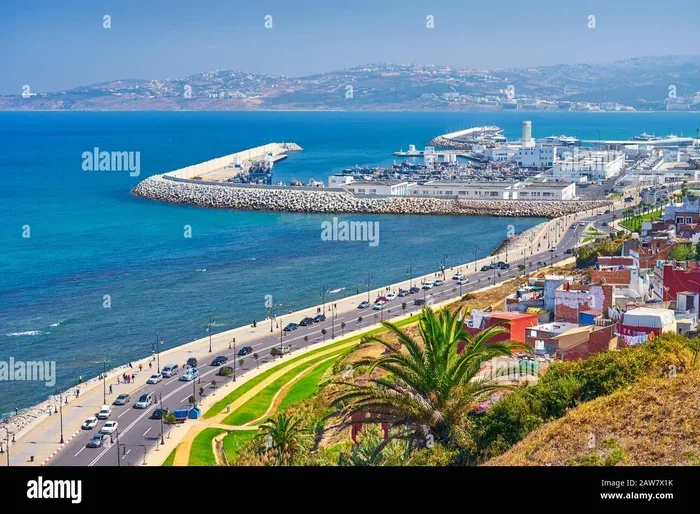
Featured image for Tangier Morocco coastal tour
Image source: c8.alamy.com
A 10 day tour from Tangier to Asilah offers the perfect blend of culture, coast, and adventure across northern Morocco. This immersive journey takes you from the blue streets of Chefchaouen to the Roman ruins of Volubilis, through imperial Fez, and ends in the artistic seaside town of Asilah. Designed for travelers seeking authentic experiences, this route balances guided exploration with free time to wander medinas, taste local cuisine, and connect with Moroccan traditions.
Picture this: you’re standing at the entrance of the Mediterranean, where two continents almost touch, and you’re about to spend ten days exploring one of North Africa’s most captivating countries. A 10 day tour from Tangier to Asilah is more than a vacation. It’s a journey through centuries of history, vibrant markets, and stunning coastlines that most travelers only dream about.
Did you know that Morocco welcomed over 14.5 million tourists in 2023, making it one of Africa’s top travel destinations? The northern route from Tangier to Asilah captures everything that makes Morocco special, from the blue-washed mountains of Chefchaouen to the Atlantic waves crashing against 16th-century ramparts. Think of this tour like a great novel with ten chapters, where each day reveals a new story, a new flavor, and a new perspective on Moroccan life.
Whether you’re a first-time visitor or returning to Morocco for a deeper exploration, ten days gives you the breathing room to truly absorb each location. Unlike rushed three-day tours that leave you exhausted, this itinerary balances structured sightseeing with unstructured wandering. You will have time to sip mint tea in a hidden courtyard, haggle for a handmade rug, and watch the sunset paint the Atlantic in shades of gold and pink.
Key Takeaways
- Route Overview: The 10 day tour covers Tangier, Chefchaouen, Fez, Meknes, Volubilis, Rabat, Casablanca, Essaouira, and Asilah, covering roughly 1,200 kilometers of diverse landscapes.
- Best Travel Season: March to May and September to November offer the most comfortable temperatures (18-26°C) for exploring both cities and coastlines.
- Budget Planning: Mid-range travelers should budget $120-180 per day, covering accommodation, meals, transport, and entry fees.
- Cultural Highlights: The tour includes four UNESCO World Heritage Sites, including the medinas of Fez and Essaouira.
- Pacing Benefits: Ten days allows deeper immersion than shorter tours, with 2-night stays in key cities to avoid rushed experiences.
- Language Tip: Learning basic Arabic greetings like “Salam Alaikum” and “Shukran” dramatically improves local interactions.
- Coastal Finale: Ending in Asilah provides a relaxing artistic contrast to the bustling imperial cities visited earlier.
📑 Table of Contents
- What Makes This Route Special: The 10 Day Tangier to Asilah Journey
- Who Should Take This Tour and When to Go
- What You’ll Experience Day by Day
- Where to Stay: Accommodation Options
- How Much Does It Cost: Budget Breakdown
- Why This Tour Leaves Lasting Impact
- Essential Tips for Your Tour
- Conclusion: Your Moroccan Adventure Awaits
What Makes This Route Special: The 10 Day Tangier to Asilah Journey
The 10 day tour from Tangier to Asilah follows a carefully crafted circular path through northern Morocco, touching both the Mediterranean and Atlantic coasts while passing through four of the country’s imperial cities. This route has become increasingly popular because it showcases Morocco’s incredible diversity in a manageable timeframe.
Understanding the Geography
Morocco’s northern region is like a patchwork quilt where mountains meet sea, ancient medinas blend with French colonial architecture, and Berber traditions live alongside Arab heritage. The route begins at the Strait of Gibraltar and ends approximately 1,200 kilometers westward along the coast.
Here’s a simple analogy: think of Morocco as a sandwich. The Mediterranean coast is the top slice of bread, the Atlas Mountains are the filling, and the Atlantic coast is the bottom slice. This tour lets you taste all three layers in ten delicious days.
Why Ten Days Is the Sweet Spot
Travel experts often recommend a minimum of seven to ten days for Morocco, and there’s solid reasoning behind this. According to a 2023 travel survey, travelers who spent 8+ days in Morocco rated their experience 40% higher than those on shorter trips. Ten days gives you:
- Two nights per location: Enough time to explore without feeling rushed
- Travel days built in: No marathon driving sessions that exhaust travelers
- Cultural depth: Time for meaningful interactions with locals
- Flexibility: Room for spontaneous discoveries and detours
Who Should Take This Tour and When to Go
The 10 day tour from Tangier to Asilah appeals to a wide range of travelers, from solo backpackers to couples and families. Understanding whether this journey matches your travel style helps ensure an unforgettable experience.
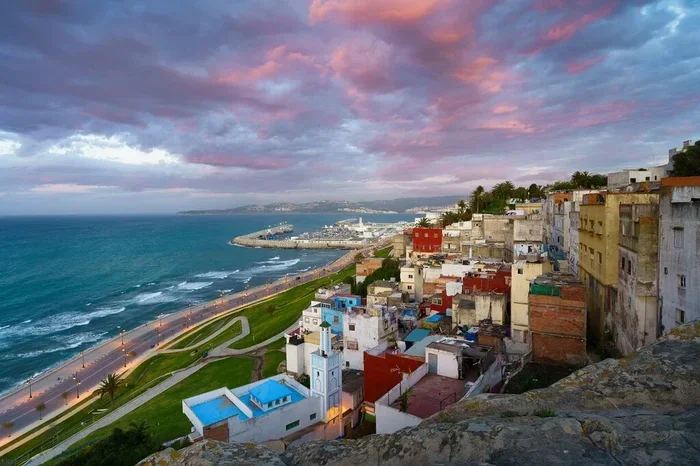
Visual guide about Tangier Morocco coastal tour
Image source: cdn.kimkim.com
Ideal Travelers for This Itinerary
Cultural enthusiasts will love the historical depth, with stops at Roman ruins, medieval medinas, and UNESCO-listed sites. Photography lovers find endless inspiration in blue streets, ornate tilework, and dramatic coastlines. Food travelers discover everything from street-side tagines to coastal seafood feasts.
However, this tour may not suit everyone. If you prefer beach resorts with poolside cocktails, consider an all-inclusive in Agadir instead. If you have mobility challenges, note that medina streets often have uneven cobblestones and steep steps. Families with young children should know that days 6-7 involve longer drives between imperial cities.
Best Times to Travel
Morocco’s climate varies significantly by region, and timing your visit can make or break your experience. Here’s what to expect throughout the year:
- Spring (March-May): Temperatures range from 18-26°C. Wildflowers bloom in the Rif Mountains. This is peak tourist season, so book accommodations 2-3 months ahead.
- Summer (June-August): Inland cities like Fez can reach 40°C, while coastal areas stay around 28°C. Prices drop by 20-30%.
- Fall (September-November): Similar to spring but with harvest festivals. October is statistically the driest month in northern Morocco.
- Winter (December-February): Snow caps the Atlas Mountains while coastlines remain mild at 15-18°C. Fewer crowds but shorter daylight hours (about 10 hours).
Pro tip: If your schedule allows, aim for the “shoulder months” of April or October. You’ll enjoy pleasant weather, manageable crowds, and lower prices than peak summer or holiday periods.
What You’ll Experience Day by Day
Let’s walk through a typical 10 day tour from Tangier to Asilah, highlighting what makes each stop memorable. While exact itineraries vary by operator, this framework captures the essence of the journey.
Days 1-2: Tangier and Chefchaouen
Your adventure begins in Tangier, a city that has fascinated visitors from Paul Bowles to the Rolling Stones. Spend day one exploring the medina, visiting the Kasbah, and watching waves crash at Cap Spartel where the Atlantic meets the Mediterranean.
On day two, travel inland to Chefchaouen, the famous “Blue Pearl” nestled in the Rif Mountains. The drive takes about 2.5 hours through scenic countryside. Chefchaouen’s blue-washed buildings create a dreamlike atmosphere that has made it Instagram-famous, but its soul runs deeper. Explore the artisan workshops, hike to the Spanish Mosque for sunset views, and experience the calm that has drawn travelers for decades.
Did You Know? Chefchaouen’s blue color tradition has multiple origin stories. Some say Jewish refugees introduced it in the 1930s as a symbol of the sky and heaven. Others trace it to the practical purpose of repelling mosquitoes. Today, the tradition is maintained by residents who repaint regularly.
Days 3-4: Volubilis, Meknes, and Fez
Day three combines history and imperial grandeur. Stop at Volubilis, Morocco’s best-preserved Roman ruins and a UNESCO World Heritage Site. The 2,300-year-old mosaics and towering columns give you a tangible connection to Morocco’s pre-Islamic past.
Continue to Meknes, one of Morocco’s four imperial cities. While often overshadowed by Fez, Meknes offers remarkable architecture without the crowds. Visit the stunning Bab Mansour gate and the Mausoleum of Moulay Ismail.
Days three and four are dedicated to Fez, arguably Morocco’s cultural and spiritual capital. With over 9,400 alleyways in its medina, Fez can feel like entering a labyrinth, but guided tours help you navigate. Must-see experiences include:
- Al-Qarawiyyin University: Founded in 859 AD, it’s considered the world’s oldest continuously operating university
- Chouara Tanneries: Watch leather being processed using methods unchanged for centuries
- Bou Inania Medersa: A 14th-century theological school with breathtaking tilework
- Pottery cooperatives: See artisans craft the famous blue ceramics
Days 5-6: The Road to the Atlantic Coast
Day five involves travel through central Morocco, passing through agricultural regions and small Berber villages. Depending on your route, you might stop at Ifrane, nicknamed “Little Switzerland” for its Alpine-style architecture and clean streets.
By day six, you’ll reach the Atlantic coast. Many tours include a stop in Rabat, Morocco’s modern capital, where ancient ruins meet contemporary government buildings. The Hassan Tower and Kasbah of the Udayas provide perfect introduction to Morocco’s political heart.
Days 7-8: Casablanca and Essaouira
Casablanca offers a taste of modern Morocco. Visit the magnificent Hassan II Mosque, one of the few mosques in Morocco open to non-Muslim visitors. Sitting dramatically on the Atlantic, it features the world’s tallest minaret at 210 meters.
Days seven and eight typically feature Essaouira, a former Portuguese trading post with a distinctly different character from other Moroccan cities. The whitewashed medina, bustling fishing port, and strong Atlantic winds (perfect for kitesurfing) create an unforgettable atmosphere.
Did You Know? Essaouira’s name comes from the Berber word meaning “well-designed.” Orson Welles filmed parts of “Othello” here in 1949, and Jimi Hendrix visited in the 1960s. The city’s Gnaoua World Music Festival attracts over 400,000 visitors each June.
Days 9-10: The Coastal Journey to Asilah
The final leg travels south along Morocco’s Atlantic coast, with stops at beach towns like Oualidia (famous for oysters) before reaching Asilah. This picturesque town is known for its whitewashed buildings decorated with colorful murals, its annual International Cultural Festival, and its remarkably well-preserved 15th-century Portuguese ramparts.
Asilah provides a perfect ending to your 10 day tour. Smaller and quieter than Tangier, it offers space to reflect on your journey. Walk the ramparts at sunset, browse galleries featuring local artists, and enjoy fresh seafood at a portside restaurant.
Where to Stay: Accommodation Options
One of the joys of a 10 day tour from Tangier to Asilah is the variety of accommodation available, from traditional riads to modern hotels.
Traditional Riads
A riad is a traditional Moroccan house built around an interior courtyard. Staying in a riad offers an authentic experience that hotels cannot match. Most riads feature:
- Central courtyards with fountains
- Roof terraces for breakfast and stargazing
- Traditional tilework and carved plaster
- Typically 4-8 rooms for an intimate atmosphere
Riads cost between $60-150 per night for mid-range options in cities like Fez and Marrakech. They often include breakfast and provide local insights that transform good trips into great ones.
Modern Hotels
Larger cities like Casablanca and Tangier offer international hotel chains. While less atmospheric than riads, they provide familiar amenities and English-speaking staff. Budget $80-200 per night for comfortable four-star options.
Budget-Friendly Options
Hostels and budget hotels exist throughout the route. In Tangier and Essaouira, you can find clean private rooms for $25-40 per night. Just remember that in medinas, “budget” sometimes means shared bathrooms and basic amenities.
How Much Does It Cost: Budget Breakdown
Understanding the financial side of your 10 day tour from Tangier to Asilah helps you plan realistically. Costs vary based on travel style, but here’s what most travelers spend in 2024.
Daily Budget Categories
Budget travelers ($50-80 per day) typically stay in hostels or budget riads, eat at local markets and street stalls, and use public transport. Mid-range travelers ($120-180 per day) enjoy comfortable riads, restaurant meals, and private transport for day trips. Luxury travelers ($250+ per day) stay in premium accommodations, dine at upscale restaurants, and hire private guides.
Major Expense Categories
- Accommodation (40%): Your largest expense, especially in peak season
- Food and drink (25%): Street food is delicious and cheap; restaurant meals cost more
- Transport (20%): Trains, petit taxis, and private drivers
- Activities and guides (10%): Entry fees, guided tours, cooking classes
- Shopping and misc (5%): Souvenirs, tips, SIM cards
Pro tip: Many riads and tour operators offer package deals for 10-day tours. These bundles typically save 15-25% compared to booking components separately.
Why This Tour Leaves Lasting Impact
Beyond the practical details, why do travelers consistently rate the 10 day tour from Tangier to Asilah as life-changing? The answer lies in the unique combination of experiences packed into these ten days.
Five Senses, Countless Memories
This tour engages all your senses in ways that purely visual vacations cannot. You’ll smell tagines simmering in public ovens, hear the call to prayer echo across medinas at sunset, feel the Atlantic spray in Essaouira, taste the sweetness of fresh orange juice, and see colors so vivid they seem painted by imagination.
Think of it like a symphony. A single instrument playing alone is pleasant, but the full orchestra creates something transcendent. Each day of this tour adds another instrument, another melody, until by day ten, you’re experiencing a complete composition of culture, history, and natural beauty.
Cultural Transformation
Most travelers return from this tour with changed perspectives. Whether it’s understanding the rhythm of Moroccan daily life, appreciating the warmth of Moroccan hospitality, or simply realizing how much the world offers beyond familiar horizons, the journey transforms as much as it entertains.
One common observation: travelers who previously thought they “knew” North Africa through media stereotypes often return with nuanced appreciation for Moroccan complexity, diversity, and modernity. This kind of perspective shift makes travel valuable beyond vacation memories.
Essential Tips for Your Tour
Before booking your 10 day tour from Tangier to Asilah, consider these practical tips that experienced travelers wish they had known earlier.
What to Pack
Morocco’s climate and culture require thoughtful packing. Essentials include modest clothing that covers shoulders and knees (especially for religious sites), comfortable walking shoes for uneven medina streets, layers for temperature changes between coast and mountains, and a scarf or shawl that serves multiple purposes.
Leave valuable jewelry at home. Not for safety reasons, but because flashy items attract unwanted attention and don’t align with local customs. A good camera, universal adapter, and reusable water bottle complete the essentials.
Cultural Etiquette
Morocco is welcoming to tourists, but respecting local customs enhances your experience. Always ask permission before photographing people. Use your right hand for eating and greetings. Remove shoes when entering homes or mosques. Accept offered mint tea, as refusing can seem rude.
The phrase “Insha’Allah” (God willing) you’ll hear constantly reflects a cultural acceptance of uncertainty that contrasts with Western urgency. Embracing this flexibility is part of the experience.
Health and Safety
Morocco is generally safe for tourists. The U.S. State Department and UK FCDO classify most tourist areas as low-risk. Petty theft exists but is uncommon with basic precautions. Drink bottled water, especially in early days as your stomach adjusts. Pack basic medications and consider travel insurance that covers medical evacuation.
Conclusion: Your Moroccan Adventure Awaits
A 10 day tour from Tangier to Asilah represents more than a vacation route. It is an invitation to experience one of the world’s most diverse countries at a pace that allows genuine connection. From the moment you step into Tangier’s medina until your final sunset walk along Asilah’s ramparts, you are writing a personal story that will stay with you long after you return home.
The beauty of this itinerary lies in its balance. Imperial cities and coastal towns. Mountain drives and beach walks. Ancient ruins and modern markets. Guided tours and personal exploration. Every day offers new discoveries while the overall flow feels natural and unhurried.
Morocco doesn’t just show you its culture. It invites you to participate in it. When you share bread with strangers, learn to wrap a headscarf in a Berber village, or simply watch daily life unfold in a medina square, you become part of something larger than tourism. That participation is what transforms a good trip into a defining travel memory.
Whether you’re drawn by the blue mystery of Chefchaouen, the historical depth of Fez, the ocean breeze of Essaouira, or the artistic soul of Asilah, this journey delivers. The ten days you invest will return countless memories, stories, and perspectives that enrich your life long after you’ve returned home.
Start planning your tour today, and prepare for an experience that changes not just how you see Morocco, but how you see the world.
Frequently Asked Questions
What is the best time of year for a 10 day tour from Tangier to Asilah?
The ideal periods are spring (March to May) and fall (September to November) when temperatures range between 18-26°C. These months offer comfortable weather for exploring medinas, pleasant beach conditions on the Atlantic coast, and fewer extreme temperatures than summer.
Is the Tangier to Asilah route suitable for first-time Morocco visitors?
Yes, this route works excellently for first-time visitors because it covers a manageable geographic area and includes Morocco’s most famous destinations. The ten-day pace allows thorough exploration without overwhelming newcomers to Moroccan culture and customs.
How much walking is involved in this tour?
Expect significant walking, especially in medinas where vehicles cannot enter. Plan for 5-10 kilometers of walking on most days, often on uneven cobblestones. Comfortable walking shoes are essential, and travelers with mobility issues should discuss accessibility with tour operators in advance.
Can I customize a 10 day tour from Tangier to Asilah?
Most tour operators offer customizable itineraries. Common modifications include adding desert excursions, extending stays in specific cities, swapping Essaouira for Marrakech, or incorporating cooking classes and hiking experiences in the Rif Mountains.
What language barriers should I expect?
French is widely spoken in Morocco’s cities alongside Arabic. English is increasingly common in tourist areas, especially in Tangier, Casablanca, and Essaouira. In smaller towns and rural areas, basic French helps significantly. Learning a few Arabic greetings like “Salam Alaikum” and “Shukran” enhances interactions.
Do I need a visa for Morocco?
Citizens of most Western countries, including the US, UK, Canada, EU nations, and Australia, can enter Morocco visa-free for stays up to 90 days. Your passport must be valid for at least six months beyond your entry date, but no visa application is required for tourism purposes.