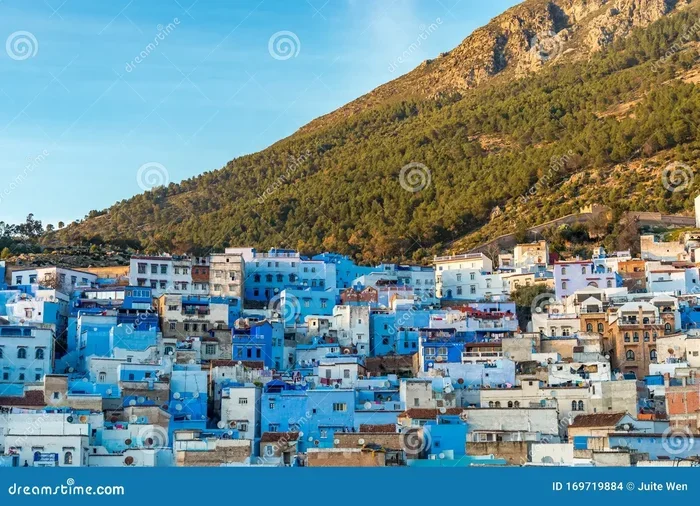
Featured image for Chefchaouen blue city Morocco mountains
Image source: thumbs.dreamstime.com
Looking for an unforgettable Moroccan adventure? A 4-day tour from Tangier to Chefchaouen offers the perfect blend of culture, nature, and history. This carefully crafted itinerary takes you through the vibrant blue streets of Chefchaouen, the ancient ruins of Volubilis, the imperial city of Fes, and the stunning Rif Mountains. Ideal for travelers seeking authentic experiences, this tour combines comfort with exploration. Whether you’re a history buff, photographer, or food lover, this journey promises memories that last a lifetime.
Key Takeaways
- Duration: A 4-day tour provides the ideal timeframe to explore Tangier, Chefchaouen, Fes, and surrounding attractions without feeling rushed.
- Blue Pearl: Chefchaouen, known as the “Blue City,” features over 200 shades of blue on its buildings and welcomes thousands of visitors annually.
- Cultural Immersion: The tour includes authentic experiences like cooking classes, local market visits, and traditional mint tea ceremonies.
- Historical Sites: You’ll visit UNESCO World Heritage Sites including Volubilis and the ancient medina of Fes.
- Natural Beauty: The Rif Mountains offer breathtaking landscapes, hiking opportunities, and stunning photography spots.
- Practical Tips: Best travel seasons are spring and fall when temperatures are mild and crowds are manageable.
- Budget Range: Tours typically cost between $400-$800 per person, depending on accommodation level and inclusions.
📑 Table of Contents
- Your Complete Guide to a 4-Day Adventure from Tangier to Chefchaouen
- Why Choose a 4-Day Tour from Tangier?
- Planning Your Tangier to Chefchaouen Journey
- Day-by-Day Itinerary: What to Expect
- Accommodation: Where You’ll Stay
- Cultural Etiquette and Practical Tips
- Shopping and Souvenirs: Bringing Morocco Home
- Making the Most of Your 4-Day Experience
- Final Preparations: Before You Go
- Conclusion: Your Moroccan Adventure Awaits
Your Complete Guide to a 4-Day Adventure from Tangier to Chefchaouen
Picture yourself walking through winding streets painted in every shade of blue imaginable. The morning sun catches the whitewashed walls, making the city look like something from a fairy tale. This is Chefchaouen, Morocco’s famous “Blue Pearl,” and it could be the highlight of your Moroccan adventure.
A 4-day tour from Tangier to Chefchaouen has become one of the most popular ways to explore northern Morocco. It gives you enough time to really experience the culture, see the major sights, and still have moments of spontaneous discovery. Unlike rushed day trips, this tour lets you breathe, explore, and connect with the places you visit.
This guide will walk you through everything you need to know about this incredible journey. We’ll cover the best routes, what to see, where to stay, and how to make the most of every moment. Whether you’re a solo traveler, a couple, or a family, you’ll find practical tips and insider knowledge to plan your perfect trip.
Why Choose a 4-Day Tour from Tangier?
You might wonder why exactly four days is the magic number. The answer lies in the geography and the richness of experiences available. Tangier sits at the northern tip of Morocco, while Chefchaouen nestles in the Rif Mountains about 110 kilometers inland. Between these two gems lie treasures that deserve exploration.
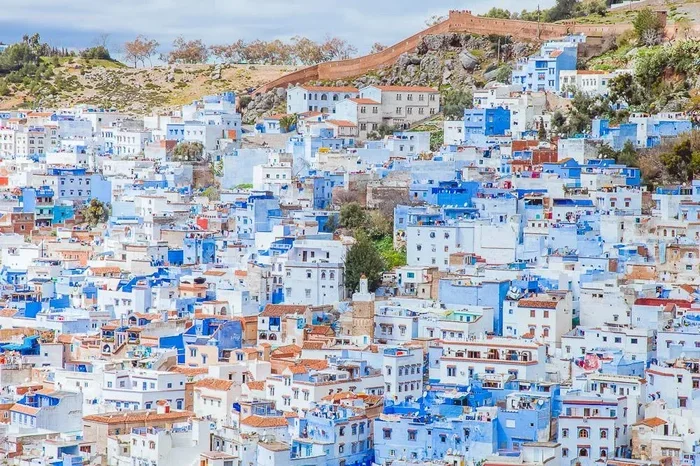
Visual guide about Chefchaouen blue city Morocco mountains
Image source: heartmybackpack.com
The Perfect Balance of Time and Experience
Think of it like reading a good book. A one-day trip is like skimming the chapters. A week-long expedition might be more than you need. Four days is the sweet spot. It’s like reading just enough to understand the story and fall in love with the characters.
A 4-day tour allows you to visit Chefchaouen, Fes, Volubilis, and Meknes without spending your entire vacation in transit. You get roughly 3-4 hours of driving spread across the trip, with the rest of your time dedicated to actual exploration.
Who This Tour Is Perfect For
This tour suits many types of travelers:
- First-time visitors to Morocco who want a comprehensive introduction
- Photography enthusiasts seeking the famous blue streets and mountain landscapes
- Culture lovers interested in history, art, and traditional crafts
- Nature admirers who appreciate mountains, valleys, and scenic drives
- Food travelers wanting to taste authentic Moroccan cuisine
Did You Know? Chefchaouen receives over 200,000 visitors annually, and tourism-related businesses employ roughly 60% of the local population. Your visit directly supports local families and preserves traditional crafts.
Planning Your Tangier to Chefchaouen Journey
Good planning makes the difference between a good trip and a great one. Let’s break down the practical aspects of preparing for your 4-day adventure.
Best Time to Travel
Morocco’s northern regions have a Mediterranean climate, which means mild winters and warm summers. The best times to visit are:
- Spring (March to May): Wildflowers bloom in the Rif Mountains, and temperatures hover between 60-75°F (15-24°C)
- Fall (September to November): Pleasant weather, fewer crowds, and beautiful autumn colors
- Summer (June to August): Can be hot, especially in Fes, but Chefchaouen remains cooler due to its mountain location
- Winter (December to February): Cool temperatures and occasional rain, but snow-capped mountains create stunning backdrops
Pro tip: Avoid major Islamic holidays if you want to experience a more relaxed atmosphere, though visiting during Ramadan offers unique cultural insights.
What to Pack for Your Tour
Packing smart keeps you comfortable and prepared. Here’s your essential checklist:
- Comfortable walking shoes (you’ll traverse cobblestone streets)
- Modest clothing that covers shoulders and knees (respectful of local culture)
- Light layers for varying temperatures
- Sunscreen, sunglasses, and a hat
- Camera or smartphone with extra batteries
- Power adapter (Morocco uses Type C and E plugs)
- Small backpack for daily excursions
- Reusable water bottle
- Basic first aid items
Did You Know? Morocco’s official languages are Arabic and Berber, but French is widely spoken in tourist areas. Learning a few basic Arabic phrases like “Shukran” (thank you) goes a long way in building connections with locals.
Budget Considerations
Your budget depends on your travel style. Here’s a general breakdown:
- Budget tour: $400-500 per person (shared rooms, local transport, basic riads)
- Mid-range tour: $500-700 per person (comfortable hotels, private transfers, guided tours)
- Luxury tour: $700-1,000+ per person (premium riads, private guides, upgraded experiences)
Most tours include accommodation, transportation, guide services, and some meals. Extras to budget for include entrance fees, additional food, shopping, and tips.
Day-by-Day Itinerary: What to Expect
Let’s walk through what your four days will look like. This sample itinerary is the most popular route, though operators may adjust based on your preferences.
Day 1: Tangier Exploration and Journey to Chefchaouen
Your adventure begins in Tangier, a city where Africa meets Europe across the Strait of Gibraltar. After pickup from the airport, ferry terminal, or your hotel, you’ll start with a brief orientation tour.
Morning highlights include:
- Visiting the historic Kasbah and exploring its museum
- Walking through the vibrant medina with its narrow alleys
- Stopping at the famous Café Hafa for mint tea with ocean views
- Seeing the meeting point of the Mediterranean and Atlantic at Cap Spartel
After lunch in Tangier, you’ll drive approximately 2.5 hours to Chefchaouen. The journey itself is scenic, winding through the foothills of the Rif Mountains. Upon arrival, check into your accommodation and rest before evening exploration.
Evening in Chefchaouen is magical. The fading light makes the blue walls glow in different shades. Walk through Plaza Uta el-Hammam, the main square, and enjoy your first traditional Moroccan dinner. Try tangia or couscous at a local restaurant.
Day 2: Discovering the Blue Pearl of Morocco
Day two belongs entirely to Chefchaouen. This is when you’ll fall in love with Morocco.
Start your morning at the Spanish Mosque. A short hike uphill rewards you with the most photographed view in all of Morocco: the entire blue city spread below you, with mountains in the background. Early morning light is perfect for photography, and you’ll beat most crowds.
After descending, explore the medina on foot. Every corner reveals another blue wall, another potted flower, another artisan workshop. The city is famous for:
- Handwoven textiles and colorful blankets
- Leather goods made using traditional methods
- Natural cosmetics like argan oil and rose water
- Handcrafted pottery with distinctive patterns
For lunch, find a rooftop restaurant overlooking the mountains. The combination of fresh air, stunning views, and Moroccan flavors creates an unforgettable meal.
Afternoon options include visiting the Kasbah Museum with its beautiful gardens, exploring the Ethnographic Museum, or hiking to the God’s Bridge natural rock formation. For adventurous travelers, the surrounding hills offer trails of varying difficulty.
Evening brings another chance to enjoy the city’s unique atmosphere. Dinner might feature pastilla, a sweet and savory pie that’s a regional specialty, followed by another walk through illuminated alleys.
Day 3: Volubilis, Meknes, and Arrival in Fes
Day three takes you from Chefchaouen to Fes, with fascinating stops along the way. After breakfast, you’ll drive approximately 3.5 hours, but the journey is broken into memorable experiences.
First stop: Volubilis
This UNESCO World Heritage Site contains the best-preserved Roman ruins in Morocco. Walking among the ancient columns, mosaics, and arches feels like stepping back 2,000 years. The site covers about 40 acres, and you’ll see:
- The impressive Basilica and Capitol building
- Beautiful floor mosaics depicting mythological scenes
- The triumphal Arch of Caracalla
- Ancient olive oil production facilities
Allow about 1.5 hours to explore properly. Your guide will bring the stones to life with stories of Roman life in this remote corner of their vast empire.
Second stop: Meknes
The imperial city of Meknes is often overlooked by tourists, making it a hidden gem. You’ll visit:
- The magnificent Bab Mansour, one of Morocco’s most beautiful gates
- The Heri es-Souani granaries and stables
- Mausoleum of Moulay Ismail, the sultan who made Meknes his capital
- The vibrant Place el-Hedim square
Lunch in Meknes offers a chance to try local specialties like mechoui (slow-roasted lamb) or rfissa (traditional dish with lentils and chicken).
Late afternoon, you’ll arrive in Morocco’s cultural capital, Fes. Check into your riad in the medina and enjoy dinner in this atmospheric setting.
Day 4: Fes Exploration and Return to Tangier
Your final day begins in Fes, the world’s largest car-free urban area. The medina is a labyrinth of 9,000 alleys containing some of the most important historical and religious sites in Morocco.
Morning highlights include:
- The Al-Qarawiyyin University, founded in 859 AD and considered the world’s oldest continuously operating university
- The stunning Bou Inania Madrasa with its intricate tilework and carvings
- The famous Chouara Tanneries, where leather has been processed the same way for nearly 1,000 years
- The beautifully decorated Nejjarine Museum of Wooden Arts & Crafts
Lunch in Fes should include pastilla or harira soup, traditional dishes that reflect the city’s culinary heritage.
After lunch, you’ll begin the return journey to Tangier (approximately 4 hours). Along the way, you can request stops for photos or refreshments. Most tours arrive in Tangier by early evening, giving you time for final dinner or last-minute shopping before departure.
Did You Know? Fes medina has approximately 200 mosques, 90 hammams, and countless madrasas within its walls. Over 300,000 people live within this UNESCO-protected site, going about their daily lives much as they did centuries ago.
Accommodation: Where You’ll Stay
One of the most magical aspects of touring Morocco is staying in traditional accommodations. Forget generic hotels; here you’ll experience the country’s architectural heritage.
Understanding Riads and Dars
A riad is a traditional Moroccan home built around an interior garden or fountain. The word comes from the Arabic term for “garden.” These structures feature thick walls for cool interiors, tilework called zellige, and often rooftop terraces with stunning views.
Riads range from simple family-run guesthouses to luxurious boutique hotels. Most offer:
- Beautiful architecture with traditional Moroccan design
- Central courtyards or gardens
- Rooftop terraces for relaxation
- Traditional Moroccan breakfast included
- Personalized service in smaller properties
Staying in a riad isn’t just accommodation; it’s an immersion into Moroccan culture.
Recommended Accommodation in Each City
In Chefchaouen:
- Look for riads near Plaza Uta el-Hammam for central convenience
- Higher-altitude options offer better views but require climbing
- Budget riads start around $40-60 per night; mid-range $80-150
In Fes:
- Choose accommodations near Bab Boujloud for easy medina access
- Many riads offer cooking classes and hammam experiences
- Expect to pay $60-200 per night depending on luxury level
Cultural Etiquette and Practical Tips
Understanding local customs enhances your experience and shows respect for Moroccan culture. Here are key things to know.
Dress Code and Behavior
Morocco is a Muslim country with conservative values in many areas, though it’s welcoming to tourists. To show respect:
- Cover shoulders and knees, especially when visiting religious sites
- Remove shoes when entering mosques or someone’s home
- Ask permission before photographing people
- Avoid public displays of affection
- Use your right hand for eating and greeting
- Accept tea when offered; it’s a sign of hospitality
Pro tip: When shopping in the medinas, bargaining is expected. Start at about 50% of the asking price and negotiate respectfully toward a fair price. Vendors expect this and enjoy the interaction.
Food and Dining Customs
Moroccan cuisine is a highlight of any visit. Must-try dishes include:
- Tangia: Slow-cooked meat with preserved lemons and spices
- Couscous: Traditionally served on Fridays with vegetables and meat
- Pastilla: Sweet and savory pie, especially popular in northern Morocco
- Harira: Hearty tomato-based soup with lentils and chickpeas
- Tagine: Named after the conical clay pot it’s cooked in, with various fillings
- Mint tea: Called “Moroccan whiskey,” this sweet green tea is everywhere
Meals in Morocco are social events. Don’t rush; embrace the slow pace and enjoy conversation with your hosts.
Safety and Health Considerations
Morocco is generally safe for tourists. Petty crime can occur in crowded areas, so:
- Keep valuables secure and be wary of pickpockets in medinas
- Use registered taxis or your tour’s transportation
- Drink bottled water and avoid ice in drinks from street vendors
- Carry basic medications; pharmacies are widely available in cities
- Have travel insurance that covers medical evacuation
- Keep your passport in the hotel safe and carry a photocopy
Shopping and Souvenirs: Bringing Morocco Home
Shopping in Morocco is an experience in itself. Each city specializes in different crafts, and your tour visits some prime shopping destinations.
What to Buy Where
Chefchaouen is famous for:
- Handwoven blankets and textiles
- Colorful scarves and clothing
- Natural cosmetics and argan products
- Hand-painted ceramics
- Local goat cheese (if you’re heading home quickly)
Fes specializes in:
- Leather goods from the famous tanneries
- Brass and copper items
- Handcrafted metalwork
- Traditional instruments
- Fine ceramics and pottery
Meknes offers:
- Wine from local vineyards (Morocco produces excellent wines)
- Carpet weavings
- Traditional clothing
- Local sweets and pastries
Shopping Tips
To make the most of your shopping experience:
- Bargain respectfully: Start at 40-50% of the asking price
- Quality check: Inspect items carefully before purchasing
- Ask about shipping: Larger items can often be shipped home
- Keep receipts: For customs purposes when leaving Morocco
- Cash is king: Many small vendors don’t accept cards
- Learn a few Arabic numbers: Helps during bargaining
Did You Know? The Fes medina has over 4,000 workshops and 7,000 artisans practicing traditional crafts. Many techniques used today haven’t changed in centuries.
Making the Most of Your 4-Day Experience
Beyond the standard itinerary, here are insider tips to elevate your tour from good to unforgettable.
Connect with Locals
The real magic of Morocco lives in its people. Take time to:
- Chat with shop owners and learn their stories
- Visit a local hammam (traditional bathhouse) for an authentic experience
- Join a cooking class to learn Moroccan recipes
- Attend a local music performance when available
- Ask your guide about family-run restaurants off the tourist path
Photography Best Practices
Morocco is incredibly photogenic. To capture stunning images:
- Golden hour: Early morning and late afternoon light is magical
- Blue hour: Chefchaouen is stunning just after sunset
- Details matter: Capture doorways, tiles, and architectural elements
- Ask permission: Always ask before photographing people
- Look up and down: Many photo opportunities are overhead or at your feet
- Be patient: Wait for crowds to clear for the best compositions
Embrace Slow Travel
While four days might seem short, resist the temptation to rush. Some of the best experiences come from:
- Sitting in a plaza watching daily life unfold
- Sipping tea while gazing at mountain views
- Getting lost in medina alleys (in safe areas)
- Having unhurried conversations with locals
- Taking time to appreciate intricate architectural details
Final Preparations: Before You Go
As you finalize your trip planning, here are last-minute considerations to ensure everything goes smoothly.
Documentation Requirements
Most visitors need only a valid passport for stays up to 90 days. However, check specific requirements based on your nationality. Your tour operator should provide guidance on visa requirements if applicable.
Communication
Morocco has good mobile coverage in urban areas. Consider:
- Buying a local SIM card for data and calls
- Downloading offline maps for navigation
- Using Wi-Fi at accommodations for video calls
- Keeping emergency contact numbers handy
Health Preparations
Consult your doctor about:
- Routine vaccinations being up to date
- Recommended vaccines for Morocco
- Prescription medications (bring copies of prescriptions)
- Travel insurance coverage details
- Basic medical kit contents
Conclusion: Your Moroccan Adventure Awaits
A 4-day tour from Tangier to Chefchaouen offers an incredible window into Morocco’s diverse beauty. You’ll witness the meeting of continents in Tangier, get lost in the dreamy blue alleys of Chefchaouen, walk through ancient Roman history at Volubilis, and immerse yourself in the cultural depth of the world’s oldest medina in Fes.
More than just sightseeing, this journey connects you with centuries of tradition, breathtaking landscapes, and warm hospitality that defines Moroccan culture. Every meal shared, every blue wall photographed, every conversation with a local adds another layer to your experience.
The memories you create on this tour will stay with you long after you return home. The taste of mint tea on a rooftop, the sound of the call to prayer echoing through medina alleys, the sight of the blue city glowing at sunset, these moments become part of your story.
Whether this is your first visit to Morocco or a return to deeper exploration, the 4-day Tangier to Chefchaouen tour provides the perfect introduction to this enchanting country. Start planning your adventure today, and prepare to discover why Morocco captures the hearts of everyone who visits.
Frequently Asked Questions
What is the best time of year to do a 4-day tour from Tangier to Chefchaouen?
The best times are spring (March-May) and fall (September-November) when temperatures are mild and crowds are manageable. These seasons offer comfortable weather for walking through medinas and enjoying mountain views without extreme heat or winter rain.
How much does a 4-day tour from Tangier to Chefchaouen typically cost?
Prices range from $400-$800 per person, depending on accommodation level and inclusions. Budget tours use shared transport and basic riads, while premium options include private guides and luxury accommodations. Most tours include lodging, transportation, guide services, and some meals.
Is it safe for tourists to travel from Tangier to Chefchaouen?
Yes, this route is considered very safe for tourists. The roads are well-maintained, and the cities are accustomed to international visitors. Standard precautions apply: keep valuables secure, use reputable tour operators, and follow your guide’s advice about specific areas.
Do I need to speak Arabic or French to enjoy this tour?
No, but basic phrases in either language are appreciated. Most guides speak English, French, Spanish, and Arabic. In tourist areas and with your guide, English is widely understood. Learning “Shukran” (thank you) and “Salaam alaikum” (hello) adds a nice personal connection.
What should I pack for a 4-day tour from Tangier to Chefchaouen?
Pack comfortable walking shoes, modest clothing covering shoulders and knees, light layers for temperature changes, sunscreen, a hat, camera, power adapter (Type C/E), and a small daypack. Don’t forget prescription medications and a basic first aid kit. Layers are key as mountain areas can be cooler than cities.
Can the tour be customized to include specific interests or activities?
Absolutely! Most tour operators offer customization options. You can add cooking classes, hiking experiences in the Rif Mountains, extended stays in specific cities, photography tours, or visits to additional sites. Discuss your interests with your tour operator when booking to create your perfect itinerary.