
Featured image for Marrakech to Ouarzazate desert tour
Image source: excursionsinmarrakech.com
An 11-day tour from Marrakech to Ouarzazate is the ultimate way to experience southern Morocco’s most stunning landscapes. This extended journey gives you time to cross the Atlas Mountains, wander ancient kasbahs, ride camels into the Sahara Desert, and discover Berber villages at a relaxed pace. Perfect for travelers who want depth, not just a quick photo stop.
Key Takeaways
- Duration Matters: 11 days allows you to truly absorb Morocco’s south, unlike rushed 3-4 day tours.
- Sahara Stay: Most itineraries include 1-2 nights in Merzouga or Zagora desert camps.
- Best Season: October to April offers the most comfortable weather for desert travel.
- Route Variety: Tours often loop through Ait Benhaddou, Todra Gorge, and Dades Valley.
- Budget Range: Expect €800-€1,500 per person for a quality guided tour.
- Group vs Private: Private tours cost more but offer flexibility and personalized stops.
- Cultural Depth: Extended tours allow authentic Berber village visits and cooking experiences.
📑 Table of Contents
- Why an 11-Day Marrakech to Ouarzazate Adventure is Worth Every Minute
- Who Should Take This Tour and Why 11 Days Works Best
- What You’ll See: The Complete Route Breakdown
- When to Go: Timing Your Perfect Trip
- How Much It Costs and What Affects Pricing
- How to Choose the Right Tour Operator
- What to Pack and Practical Tips
- Making the Most of Your Desert Nights
- Final Thoughts: Why This Trip Changes People
Why an 11-Day Marrakech to Ouarzazate Adventure is Worth Every Minute
Picture this: you wake up in a luxurious desert camp, the Sahara dunes glowing gold outside your tent door. Yesterday you trekked through the Atlas Mountains. Tomorrow, you’ll explore ancient kasbahs that have stood for centuries. This isn’t a daydream. This is what an 11-day tour from Marrakech to Ouarzazate actually feels like.
Most travelers rush through Morocco in four or five days, snapping photos from a bus window. But the real magic of southern Morocco unfolds when you slow down. Eleven days gives you the perfect balance. You get enough time to experience the Sahara Desert properly, yet you won’t feel like you’re wasting precious vacation days on endless driving.
Did you know? Morocco welcomed over 14.5 million tourists in 2023, and desert tours consistently rank as the top-rated experience on travel platforms. The Marrakech to Ouarzazate route alone covers approximately 1,200 kilometers of the country’s most dramatic scenery. Think of it like reading a great novel versus skimming the back cover. The story matters.
Who Should Take This Tour and Why 11 Days Works Best
So, who exactly is this tour for? Let’s break it down clearly.
Visual guide about Marrakech to Ouarzazate desert tour
Image source: ouarzazatedeserttours.com
The Perfect Traveler Profile
This 11-day journey suits anyone craving real adventure combined with comfort. It works brilliantly for:
- First-time Morocco visitors who want a complete southern experience
- Photography enthusiasts needing time to capture golden light in the dunes
- Culture lovers wanting authentic Berber village interactions
- Honeymooners seeking romance in unique landscapes
- Families with older children who can handle moderate travel
Think of an 11-day tour like a slow-cooked tagine. You could rush it in a pressure cooker, but the flavors won’t develop. The same applies here. Short tours hit the highlights. Long tours let the highlights sink into your memory forever.
Why Not Shorter or Longer?
Three-day tours feel frantic. You’ll spend more time driving than experiencing. Seven-day tours are solid but often skip key spots like Todra Gorge or the Draa Valley. Fifteen-day tours start repeating themselves. Eleven days hits the sweet spot. You cover the classic route without filler days.
What You’ll See: The Complete Route Breakdown
Let’s map out where this tour actually goes. Most 11-day Marrakech to Ouarzazate tours follow a loop that includes these essential stops.
Days 1-2: Marrakech and the High Atlas Crossing
Your adventure begins in the Red City, Marrakech. After exploring the medina, Jemaa el-Fnaa square, and the Majorelle Garden, you’ll hit the road. The drive crosses the stunning Tizi n’Tichka Pass at 2,260 meters altitude. Imagine driving through a painting. That’s what this pass feels like.
Days 3-4: Ait Benhaddou and Ouarzazate
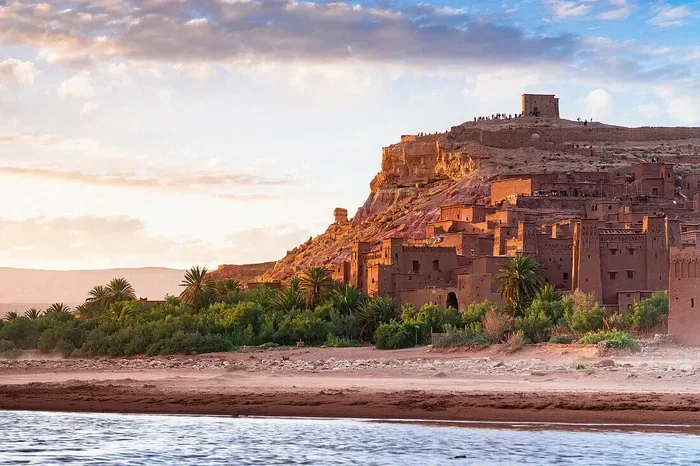
Ait Benhaddou needs no introduction. This UNESCO World Heritage site has starred in Gladiator, Lawrence of Arabia, and Game of Thrones. You could spend hours just photographing its mud-brick towers. Nearby Ouarzazate, the “Gateway to the Sahara,” offers film studios and the impressive Taourirt Kasbah.
Days 5-6: Todra Gorge and Dades Valley
Here’s where things get dramatic. Todra Gorge features 400-meter-high canyon walls that squeeze together like nature’s own cathedral. You’ll find Berber locals selling fossils and minerals. The Dades Valley, nicknamed the “Valley of a Thousand Kasbahs,” winds through bizarre rock formations called “monkey fingers.”
Days 7-8: The Sahara Desert Experience
This is the heart of your trip. Most tours include Merzouga for the towering Erg Chebbi dunes. Others venture to Zagora for the quieter Erg Chigaga dunes. Either way, you will:
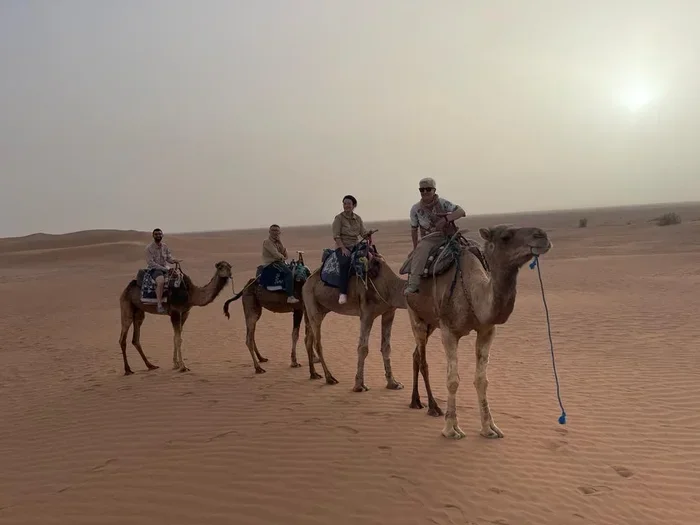
- Ride a camel into the desert at sunset
- Sleep in a traditional Berber tent camp
- Listen to drums under star-filled skies
- Wake up for a sunrise dune walk
Did you know? The Sahara covers 9.2 million square kilometers across 11 countries. But Morocco’s portion, especially Erg Chebbi, contains some of the world’s tallest accessible dunes, reaching 150 meters high.
Days 9-11: Return Through Draa Valley and Essaouira Option
The return journey often follows the Draa Valley, Morocco’s longest river system. Date palm oases stretch for miles. Some tours add a final stop in Essaouira, a breezy coastal town, before circling back to Marrakech.
When to Go: Timing Your Perfect Trip
Timing can make or break your desert adventure. Here’s the seasonal breakdown.
The Sweet Spot: October to April
These months offer comfortable temperatures between 18°C and 25°C during the day. Nights in the desert can drop to 5°C, so pack layers. You’ll avoid the brutal summer heat that regularly hits 45°C in the Sahara.
Shoulder Season: March-April and October-November
These windows offer the best balance of weather, fewer crowds, and reasonable prices. Wildflowers bloom in March. October brings harvest season to the oases.
Summer Reality Check
Yes, you can travel June through August. But expect extreme heat, especially in desert camps. Sandstorms occasionally disrupt itineraries. If summer is your only option, focus on the Atlas Mountain sections and coastal add-ons.
How Much It Costs and What Affects Pricing
Money matters. Let’s talk real numbers.
Budget Breakdown for 2025
Budget Group Tours: €600-€900 per person. These pack 12-15 travelers into a minibus. Accommodation is basic but clean.
Mid-Range Tours: €900-€1,400 per person. Smaller groups of 6-10 people. Better hotels and standard desert camps.
Luxury Private Tours: €1,500-€2,800 per person. Just you and your guide. Premium riads and luxury desert camps with private bathrooms.
What’s Usually Included
- Transportation in air-conditioned 4×4 or minivan
- English-speaking driver/guide
- 10 nights accommodation
- Daily breakfast and most dinners
- Camel trek to desert camp
- Sandboarding in the dunes
What’s NOT Included
- Lunches (usually stops at local restaurants, €5-€10 each)
- Drinks and personal shopping
- Tips for guides and drivers (budget €30-€50 total)
- Entrance fees to certain kasbahs or monuments
- Travel insurance
Think of the tour price like buying a car. The base model gets you there. The premium package makes the journey memorable. Choose based on what experiences matter most to you.
How to Choose the Right Tour Operator
Not all tours are created equal. Here’s your filter system.
Check These First
Reputation: Read reviews on TripAdvisor, GetYourGuide, and Viator. Look for operators with 500+ reviews and ratings above 4.5 stars.
Group Size: Smaller groups mean more flexibility and better experiences. Avoid tours packing 20+ people into one vehicle.
Guide Quality: The best guides are licensed by the Moroccan Ministry of Tourism. They speak multiple languages and know the history, not just the road.
Accommodation Standards: Ask specifically which hotels and desert camps are included. Photos in brochures often show the best-case scenario.
Red Flags to Avoid
- Companies requiring full payment via wire transfer
- Itineraries that skip the actual desert camp experience
- Reviews mentioning hidden fees or aggressive upselling
- Drivers doubling as guides without proper credentials
- “Free upgrades” that sound too good to be true
Questions to Ask Before Booking
- How many people will be in my vehicle?
- Can I see the exact hotel names?
- What happens if it rains during the desert camping night?
- Are meals suitable for dietary restrictions?
- What’s your cancellation policy?
What to Pack and Practical Tips
Packing smart makes everything easier. Here’s the essential list.
Clothing Essentials
- Light layers for daytime (temperatures vary dramatically)
- Warm jacket for desert nights (December-February especially)
- Modest clothing for village visits (cover shoulders and knees)
- Comfortable walking shoes plus sandals
- Scarf or shemagh for sand and sun protection
Gear You’ll Actually Use
- Power bank (electricity is unreliable in remote areas)
- Headlamp for desert camp nights
- Reusable water bottle (stay hydrated)
- Camera with extra batteries
- Small daypack for excursions
Health and Safety Tips
Drink bottled water only. Bring motion sickness pills for winding mountain roads. Pack sunscreen (SPF 50+) and lip balm. The desert sun is unforgiving. Carry basic medications like Imodium and paracetamol.
Did you know? Morocco’s tap water is generally safe in cities but can upset travelers’ stomachs. Most locals drink bottled or filtered water exclusively. Follow their lead.
Money Matters
Carry cash in small dirham notes. ATMs exist in cities but vanish in rural areas. Credit cards work in upscale hotels and some restaurants but expect to use cash for guides, small shops, and tips. Budget roughly €30-€50 per day for extras beyond your tour package.
Making the Most of Your Desert Nights
The desert is where your 11-day tour truly shines. Here’s how to maximize it.
Photography at Golden Hour
The light in the Sahara transforms everything 30 minutes before sunset and 20 minutes after sunrise. Your phone camera works fine. But if you have a real camera, bring it. The contrast between orange dunes and blue sky creates images you’ll frame forever.
Stargazing Like a Pro
With zero light pollution, the Sahara offers some of the world’s best stargazing. You’ll spot the Milky Way with naked eyes. Download a star map app before your trip. Some camps provide telescopes. Others just offer silence and infinite sky. Both are perfect.
Connect with Berber Culture
Your camp hosts are typically Berber nomads or local families. Ask about their music, their tea ceremony, their daily life. These conversations create the memories you’ll share for decades. Don’t just observe. Participate.
Final Thoughts: Why This Trip Changes People
There’s something about the Sahara. Something about watching the sun melt into endless dunes while drums echo behind you. Something about walking through kasbahs where families have lived for 400 years. Something about sipping mint tea with Berber elders who ask nothing but share everything.
An 11-day tour from Marrakech to Ouarzazate isn’t just a vacation. It’s a story you’ll tell forever. It’s the trip where you finally understand why people fall in love with Morocco. It’s the journey where the Atlas Mountains, the desert, and ancient culture combine into something greater than the sum of their parts.
Eleven days feels long when you’re planning. It feels perfect when you’re living it. And when you return home, you’ll wonder how it went by so fast.
Book it. Pack smart. Bring an open mind. The Sahara is waiting.
Frequently Asked Questions
Is 11 days enough to see the highlights from Marrakech to Ouarzazate?
Yes, 11 days is actually the ideal duration for this route. You get enough time to experience the desert properly, explore kasbahs, and visit key sites like Todra Gorge and Ait Benhaddou without feeling rushed. Shorter tours skip important locations, while longer tours often include unnecessary filler days.
What is the best time of year for an 11-day Marrakech desert tour?
October through April offers the best weather, with daytime temperatures between 18-25°C and cool desert nights. March-April and October-November are especially ideal as crowds thin and temperatures stay comfortable. Avoid June-August unless you can handle 45°C heat in the Sahara.
How much should I budget for an 11-day Marrakech to Ouarzazate tour?
Budget approximately €800-€1,500 per person for a quality mid-range tour. This includes accommodation, most meals, transport, and activities. Budget an extra €30-€50 per day for lunches, tips, drinks, and personal expenses. Luxury private tours run €1,500-€2,800 per person.
Do I need travel insurance for this Morocco desert tour?
Absolutely yes. Travel insurance is essential for any Morocco trip, covering medical emergencies, trip cancellations, and lost luggage. Make sure your policy specifically covers desert activities like camel riding. Many standard policies exclude adventure activities, so read the fine print carefully.
Can I customize the standard 11-day itinerary?
Most tour operators allow customization, especially for private tours. You can add stops in Essaouira, include cooking classes, extend your desert stay, or add hiking segments in the Atlas Mountains. Private tours offer the most flexibility, while group tours have fixed schedules.
Is the camel ride to the desert camp safe and comfortable?
Yes, camel rides are safe and quite comfortable when handled by experienced guides. The trek typically lasts 1-2 hours and camels walk slowly and steadily. However, if you have back problems or are pregnant, inform your guide. Alternative 4×4 transport to the camp is usually available upon request.