
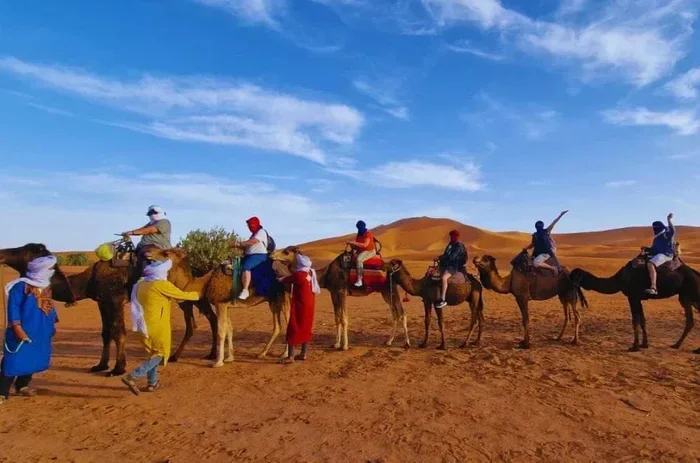
Featured image for Marrakech to Fes desert tour
Image source: 24camels.com
A 9-day tour from Marrakech to Fes is the ultimate Moroccan adventure, blending imperial cities, Sahara dunes, and ancient medinas into one unforgettable journey. This comprehensive route covers the Atlas Mountains, Ait Ben Haddou, Ouarzazate, Todra Gorge, Merzouga Desert, and four imperial cities. Perfect for travelers seeking authentic experiences, cultural immersion, and breathtaking landscapes in just over a week.
Marrakech to Fes tours stand out among my recommended trips because they offer something rare: the ability to experience Morocco’s incredible diversity in a single journey. Think of it like a greatest hits album, except every track is a stunning landscape or ancient city.
Most people arrive in Morocco knowing only Marrakech’s famous Jemaa el-Fnaa square or Casablanca’s film fame. But nine days gives you room to discover the country’s hidden gems, places that don’t make it into travel brochures but leave permanent marks on your memory. You’ll sleep under Saharan stars, walk through movie sets, explore medinas older than European capitals, and share mint tea with Berber families.
This guide walks you through everything you need to know about the classic 9-day Marrakech to Fes route. We’ll cover the daily itinerary, what makes each stop special, practical tips from years of traveler feedback, and answers to questions I hear most often. Whether you’re a solo adventurer, couple, or family, this information helps you plan a trip that matches your travel style and budget.
Key Takeaways
- Perfect Duration: Nine days provides enough time to explore Morocco’s highlights without feeling rushed, balancing travel with meaningful experiences.
- Diverse Landscapes: The route covers mountains, valleys, deserts, kasbahs, and cities, offering incredible geographic variety in one trip.
- Cultural Immersion: You’ll visit four imperial cities (Marrakech, Fes, Meknes, Rabat) and UNESCO World Heritage Sites along the way.
- Sahara Desert Experience: Camel trekking and overnight stays in Erg Chebbi dunes are highlights that travelers remember forever.
- Practical Route: The Marrakech-to-Fes direction follows a logical south-to-north path that prevents backtracking and maximizes sightseeing time.
- Best Seasons: Spring (March-May) and fall (September-November) offer the most comfortable weather for desert and mountain excursions.
- Group vs. Private: Both options exist, with private tours offering flexibility and group tours providing affordability and social experiences.
📑 Table of Contents
- Why Choose a 9-Day Tour from Marrakech to Fes?
- The Complete 9-Day Itinerary Breakdown
- Practical Information for Your Marrakech to Fes Adventure
- Choosing Between Group and Private Tours
- What Makes This Route Special: Beyond the Highlights
- Final Thoughts: Making Your 9-Day Moroccan Adventure Unforgettable
Why Choose a 9-Day Tour from Marrakech to Fes?
The 9-day format works brilliantly because it matches Morocco’s actual size and complexity. Morocco isn’t tiny, though it looks compact on a map. Driving from Marrakech to Fes directly takes about 7-8 hours, but that would skip everything interesting in between. Nine days lets you slow down enough to actually experience each location rather than just photograph it from a bus window.
Did You Know? Morocco’s tourism statistics show that multi-day tours spanning 7-10 days have the highest satisfaction rates among international visitors. Travelers consistently report that shorter tours feel rushed while longer ones include redundant stops.
The Logic Behind the South-to-North Direction
Starting in Marrakech and ending in Fes makes geographical sense. Morocco’s main attractions form a rough loop, and this direction follows a natural progression without doubling back. You move from the Sahara’s edge northward through increasingly historical and urban landscapes, building context as you go. By the time you reach Fes, you understand how Berber, Arab, and French colonial influences shaped modern Morocco.
Who This Tour Suits Best
This itinerary appeals to travelers who want depth over breadth. If you prefer checking off countries quickly, a shorter tour might suit you better. But if you want to understand Moroccan culture, taste regional cuisines, and see landscapes that range from snowy peaks to sand dunes, nine days hits the sweet spot. It’s also ideal for photographers, history enthusiasts, and anyone who finds that rushing through places creates more exhaustion than memories.
The Complete 9-Day Itinerary Breakdown
Here’s what each day typically includes on this classic route. Keep in mind that exact stops can vary between operators, but the core experience remains consistent across reputable companies.
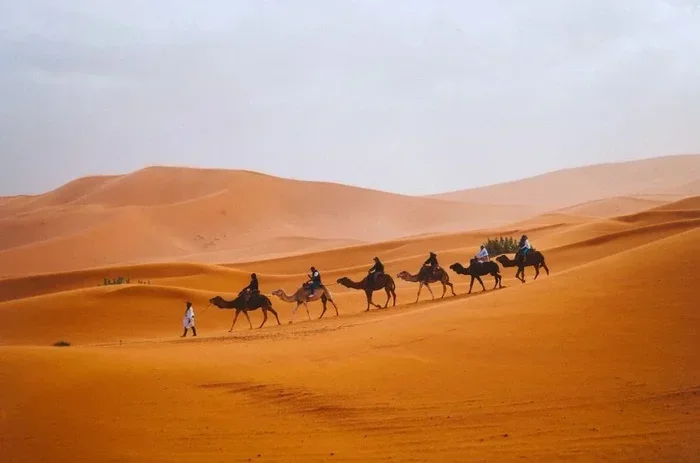
Visual guide about Marrakech to Fes desert tour
Image source: 24camels.com
Day 1: Arrival in Marrakech
Your adventure begins in Marrakech, the “Red City” named for its distinctive pink-red sandstone buildings. Most tours include airport pickup and a brief orientation. You’ll settle into your riad, a traditional Moroccan house or palace converted into a hotel, usually located in the medina’s winding alleys.
Did You Know? Marrakech’s medina is a UNESCO World Heritage Site containing over 100,000 residents living within its ancient walls, making it one of the world’s largest car-free urban zones.
Evening activities typically include a visit to Jemaa el-Fnaa, the famous square that transforms at sunset into an open-air theater of storytellers, musicians, snake charmers, and food stalls. Try fresh orange juice from the famous carts, costing about 40 cents, and sample local dishes like tagine or harira soup.
Day 2: Marrakech City Exploration
Day two dives deeper into Marrakech’s treasures. A local guide leads you through the medina’s labyrinthine streets, explaining the architecture and history behind landmarks like the Koutoubia Mosque (Marrakech’s tallest structure at 77 meters), the Saadian Tombs, and Bahia Palace.
After lunch, you’ll visit the Majorelle Garden, a stunning two-acre botanical garden once owned by fashion designer Yves Saint Laurent. The electric blue structures and exotic plants create one of Morocco’s most photographed spots. Then explore the Ben Youssef Madrasa, an Islamic college showcasing intricate tilework and carved stucco from the 14th century.
Day 3: Marrakech to Ait Ben Haddou via the Atlas Mountains
This is when the real journey begins. You’ll cross the High Atlas Mountains through the stunning Tizi n’Tichka pass, reaching 2,260 meters (7,415 feet). The winding road offers panoramic views of Berber villages clinging to hillsides and valleys carved by ancient rivers.
The day’s main destination is Ait Ben Haddou, a fortified village (ksar) that has served as a filming location for productions including Gladiator, Lawrence of Arabia, and Game of Thrones. Walking through its earthen buildings feels like stepping into another century. UNESCO recognized this site in 1987 for its exceptional example of southern Moroccan architecture.
Day 4: Ait Ben Haddou to the Sahara via Ouarzazate and Todra Gorge
After breakfast, you’ll visit the Taourirt Kasbah in Ouarzazate, sometimes called the “Hollywood of Africa” due to its massive film studios. Then drive through the Rose Valley, where Damascus roses are harvested for rose water and cosmetics, and the Dades Valley, famous for its dramatic rock formations.
The afternoon brings you to Todra Gorge, a 400-meter-deep canyon with walls that narrow to just 10 meters apart in places. Rock climbers travel from around the world to scale these limestone cliffs. After exploring the gorge, continue to Merzouga, your gateway to the Sahara Desert.
Day 5: Sahara Desert Adventure
Today delivers what most travelers consider the trip’s highlight. You’ll mount camels and ride into Erg Chebbi, where sand dunes rise up to 150 meters tall. The trek takes roughly 90 minutes, with stops for photos as the sun climbs higher.
Your overnight accommodation is a Berber desert camp, either traditional nomad-style tents or luxury “glamping” options with proper beds and en-suite bathrooms. The evening includes a drum circle around a fire, traditional music, and dinner featuring local specialties like lamb tagine and fresh bread baked in sand.
Did You Know? Sahara Desert covers approximately 9.2 million square kilometers across multiple African countries, but Morocco’s Erg Chebbi represents just one small, stunning corner where dunes reach their dramatic maximum height.
Sunrise the next morning offers an unforgettable moment: watching light paint the dunes in shades of orange, pink, and gold. This experience alone justifies the entire journey for many travelers.
Day 6: Sahara to Midelt via Ziz Valley
After breakfast and camel ride back to Merzouga, you’ll drive north through the Ziz Valley, a palm-lined oasis contrasting sharply with the desert you just left. The valley contains over 150,000 date palms and provides habitat for Barbary macaques and various bird species.
Midelt sits between the Middle and High Atlas mountain ranges, making it a perfect lunch stop. The town is famous for apples and minerals, with the surrounding region producing fossils and semi-precious stones. You’ll notice temperature changes as elevation increases.
Day 7: Midelt to Fes via Ifrane and the Middle Atlas
Today’s drive crosses the Middle Atlas Mountains, a region of cedar forests, volcanic lakes, and surprisingly alpine scenery. You’ll pass through Ifrane, often called “Little Switzerland of Morocco” for its European-style architecture and clean streets. Ifrane consistently ranks among the world’s cleanest cities.
The Middle Atlas is home to the endangered Barbary macaque, North Africa’s only primate species outside humans. A stop in the Azrou Cedar Forest typically includes a chance to see these playful monkeys in their natural habitat. The drive then descends into Fes, arriving in the late afternoon.
Day 8: Fes Guided City Tour
Fes deserves a full day, and you’ll start early to maximize your time. Fes el-Bali, the old medina, contains over 9,000 narrow streets and alleys. It’s the world’s largest car-free urban area, with donkeys still serving as the primary transportation method for goods.
A local guide leads you through highlights including the Bou Inania Medersa, an architectural masterpiece from the 14th century, the Al-Qarawiyyin University (founded in 859 AD, often cited as the world’s oldest continuously operating university), and the famous Chouara Tanneries. Watching leather being processed using methods unchanged for centuries provides an authentic sensory experience, though the smell is famously strong. Your guide typically provides mint sprigs to hold under your nose.
Afternoon visits include the Mellah (Jewish Quarter), the Royal Palace gates with their stunning bronze doors, and panoramic viewpoints overlooking the medina from the Marinid Tombs.
Day 9: Departure from Fes
Your final morning allows for last-minute shopping in the medina’s souks, where you can find everything from spices and ceramics to leather goods and traditional carpets. Fes is Morocco’s handicraft capital, producing many items that appear throughout the country’s markets.
Most tours include airport transfers, typically flying out from Fes-Saïs Airport, which offers connections to major European cities and connections onward to other continents.
Practical Information for Your Marrakech to Fes Adventure
Planning a successful tour requires understanding logistics, costs, and seasonal considerations. Here’s what experienced travelers recommend.
Best Times to Travel
Morocco’s climate varies dramatically by region, but for this route, spring (March-May) and fall (September-November) provide the most comfortable conditions. Summer temperatures in the Sahara regularly exceed 45°C (113°F), while winter nights in the desert can drop below freezing.
Did You Know? Marrakech and Fes have vastly different climates despite being only 4-5 hours apart by road. Marrakech sits at 466 meters elevation in a relatively flat region, while Fes rests at 579 meters in the Middle Atlas foothills, creating distinct weather patterns.
Shoulder seasons (April-May, September-October) offer the best balance: warm enough for desert camping, clear skies for photography, and manageable crowds at major sites.
What to Pack
Morocco’s terrain demands versatile clothing. Pack layers because temperatures swing significantly between day and night, especially in the desert. Essentials include:
- Modest clothing covering shoulders and knees for religious sites
- Comfortable walking shoes for medina exploration
- Scarf or shawl for desert sun protection and warmth
- Sunscreen and sunglasses (desert UV is intense)
- Reusable water bottle to stay hydrated
- Camera with extra batteries and memory cards
- Small flashlight for navigating dimly lit riads and desert nights
Budget Considerations
Nine-day tours from Marrakech to Fes typically cost between €800-€1,500 per person for mid-range options, with luxury tours reaching €2,500+ and budget group tours starting around €500. Most prices include accommodation, transportation, guide services, and some meals. Generally excluded: international flights, travel insurance, tips, drinks, and entrance fees to certain monuments.
Currency-wise, Moroccan Dirham (MAD) is the local currency. While many places accept euros, having dirhams gives you better rates and access to smaller shops. ATMs are widely available in cities but scarce in desert areas.
Choosing Between Group and Private Tours
Your tour style significantly impacts your experience. Understanding the trade-offs helps you select the right option.
Group Tour Advantages
Group tours (typically 8-16 people) cost considerably less and provide built-in social experiences. You’ll meet travelers from around the world, share expenses like camel treks, and benefit from guides experienced in managing diverse groups. Group tours follow set itineraries with fixed departure dates, usually weekly or twice weekly.
This format works well for solo travelers, budget-conscious tourists, and anyone who enjoys meeting new people. The downside involves less flexibility in daily schedules and accommodation standards that must accommodate various budgets.
Private Tour Benefits
Private tours offer complete flexibility. You choose departure dates, adjust daily schedules, select accommodation levels, and travel at your own pace. Private guides can customize commentary based on your interests, whether that’s photography, history, food, or architecture.
This option suits families, couples celebrating special occasions, photographers needing flexible timing, and travelers with specific interests. The higher cost reflects exclusive vehicle use, premium accommodation choices, and personalized attention.
What Makes This Route Special: Beyond the Highlights
While major attractions draw visitors, the route’s true magic lies in moments between planned stops. Sharing bread with a Berber family in the Atlas Mountains. Watching artisans hammer copper in Fes’s medieval workshops. Hearing the call to prayer echo across desert dunes at sunset. These unscripted experiences create the memories you’ll share for decades.
The route also reveals Morocco’s fascinating cultural complexity. You’ll notice how landscapes influence architecture: earth-colored buildings in southern oases, blue-painted streets in Chefchaouen, whitewashed walls in coastal Essaouira. Each region’s climate, history, and traditions shape distinct local identities that feel almost like different countries as you travel.
Did You Know? Morocco has been recognized by UNESCO for having more intangible cultural heritage traditions than almost any other country, with practices like argan oil production, Gnawa music, and couscous preparation all officially protected.
Another overlooked aspect is the food. Moroccan cuisine varies significantly by region. Southern dishes feature more preserved lemons and dried fruits, northern specialties include fresh seafood and olives, and everywhere serves tagine, the slow-cooked stew named after its distinctive conical clay pot. Nine days lets you taste this regional diversity rather than just sampling generic “Moroccan food” in tourist restaurants.
Final Thoughts: Making Your 9-Day Moroccan Adventure Unforgettable
A 9-day tour from Marrakech to Fes represents Morocco condensed into its most essential experiences. You’ll traverse dramatic landscapes, walk through living history, connect with ancient cultures, and create stories worth retelling. The route’s efficiency doesn’t sacrifice depth; instead, it provides a framework for genuine discovery.
To maximize your experience, stay flexible when plans shift (weather, road conditions, or spontaneous opportunities), engage with locals through basic Arabic or French phrases, and embrace the slower pace that desert and mountain travel demand. Morocco rewards travelers who approach it with curiosity and patience rather than checklist mentality.
Whether you’re drawn by Sahara sunsets, imperial city grandeur, or mountain village simplicity, this journey delivers. Start planning today, and within a few months, you could be watching stars emerge over Erg Chebbi dunes, mint tea warming your hands as Berber drums mark the rhythm of desert night.
Frequently Asked Questions
How much does a 9-day tour from Marrakech to Fes typically cost?
A 9-day Marrakech to Fes tour usually costs between €800 and €1,500 per person for mid-range options. Budget group tours start around €500, while luxury private tours can exceed €2,500. Prices typically include accommodation, transportation, guide services, breakfast, and some dinners.
What is the best time of year for this tour?
Spring (March-May) and fall (September-November) offer the most comfortable weather for this itinerary. Summer temperatures in the Sahara can exceed 45°C (113°F), making desert excursions uncomfortable, while winter desert nights can drop below freezing. April, May, September, and October provide ideal conditions.
Is the camel ride safe and suitable for everyone?
Camel rides to desert camps are generally safe and suitable for most travelers, including children over 5 and older adults with reasonable mobility. Camels are gentle, and guides assist with mounting and dismounting. Those with back problems or who are pregnant should consult their doctor before riding.
Do I need a visa for Morocco?
Most Western passport holders (US, EU, Canada, Australia, UK) can enter Morocco visa-free for stays up to 90 days. Your passport must be valid for at least six months beyond your entry date. Some nationalities require visas, so check current requirements before booking.
What languages are spoken on these tours?
Arabic and Amazigh (Berber) are Morocco’s official languages. French is widely spoken in cities and serves as the primary language for most tour guides. English is increasingly common in tourism, though less universal than French. Guides on organized tours typically speak English, French, Spanish, and sometimes German.
Can I customize a standard 9-day itinerary?
Private tours offer full customization, allowing you to add stops like Essaouira, Chefchaouen, or the Todra Gorge, adjust accommodation standards, or modify daily schedules. Group tours follow fixed itineraries with limited flexibility, though some operators offer optional excursions like hot air balloon rides or cooking classes.